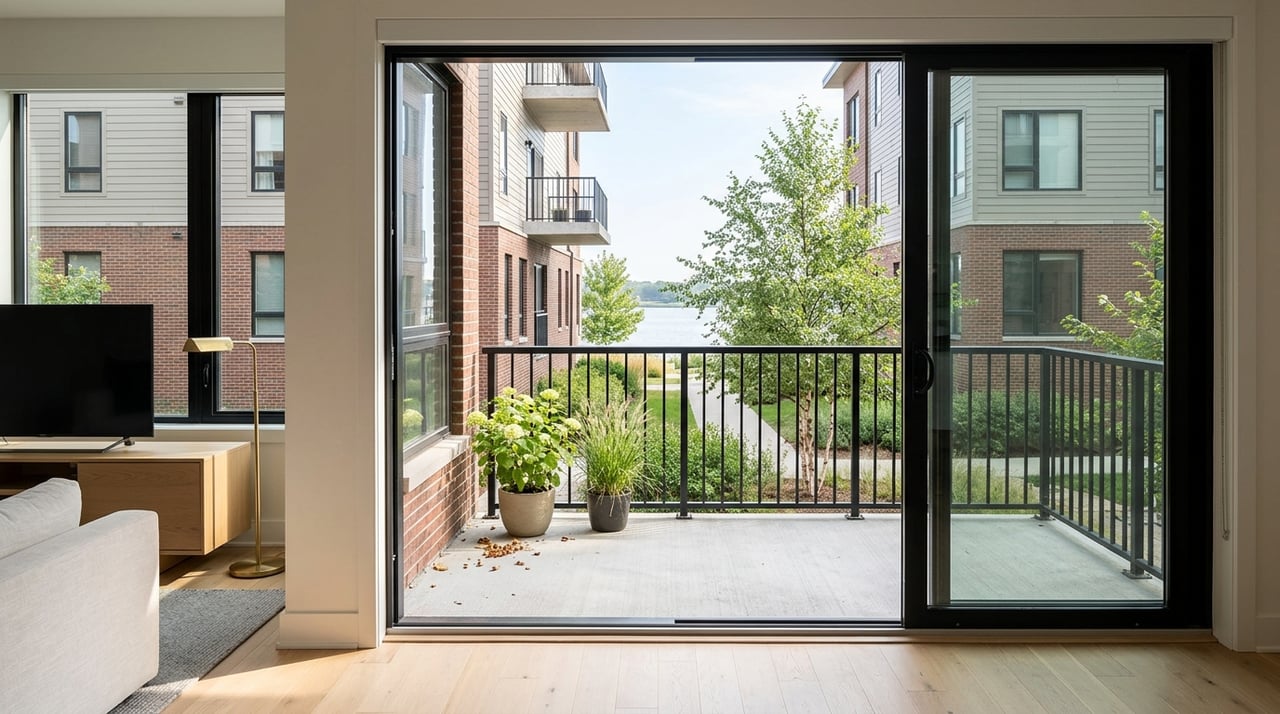
St Paul Riverfront Living: Condos, Townhomes And Views
June 11, 2026
June 11, 2026
Riverfront living in St. Paul is not just about being near the water. It is about choosing the kind of daily life you want, from skyline views and trail access to low-maintenance ownership and quick connections downtown. If you are thinking about a condo or townhome along the riverfront, understanding how these areas actually live day to day can help you make a smarter move. Let’s dive in.
One of the biggest surprises about St. Paul’s riverfront is that it is not a single neighborhood with one feel. According to City of Saint Paul planning materials, the riverfront corridor includes downtown areas near the river, parts of West Seventh, and the West Side. That means your experience can shift from urban and event-filled to more neighborhood-scale or bluff-oriented depending on the block.
That variety is a big part of the appeal. Some homes place you close to downtown amenities and a busier city rhythm. Others feel more tucked into the landscape, with overlooks, trails, and quieter stretches near the river.
For many buyers, riverfront living in St. Paul lines up naturally with condos and townhomes. The city describes downtown as a growing residential hub and continues to support new housing construction there. In practical terms, that makes low-maintenance ownership a strong fit for buyers who want location, access, and convenience.
With these property types, the focus is often less about a large private yard and more about shared amenities, easy upkeep, and a lock-and-leave lifestyle. If you want to spend more time walking the river, heading downtown, or enjoying a view from your own space, that tradeoff can make a lot of sense.
St. Paul notes that townhome communities are commonly structured as Common Interest Communities. That usually means some features and responsibilities are shared among owners.
Common examples can include:
This does not mean every townhome community works exactly the same way. It does mean you will want to look closely at association rules, monthly dues, and maintenance expectations before you buy.
When people picture riverfront property, they often imagine homes sitting right on the shoreline. In St. Paul, many of the most memorable views come from elevation instead. Bluff areas and overlooks can offer sweeping views of the Mississippi, downtown skyline, and bridges, even when a property is not directly on the water.
That is an important distinction as you search. A “river view” here may mean a high vantage point, a skyline backdrop, or access to nearby trails and overlooks rather than private shoreline frontage. For many buyers, that still delivers the visual impact they want.
Research on St. Paul’s river corridor points to places like Wicahapi and Wakan Tipi as examples of strong bluff and skyline views. City House also shows how a bluff-and-trail setting can create a memorable riverfront experience without direct water access. If views are high on your list, it helps to think beyond the edge of the river itself.
Riverfront living works best when it supports your routine, not just your weekend plans. In St. Paul, that daily lifestyle can be one of the strongest reasons buyers are drawn to the area. Parks, paved trails, event spaces, and downtown access all shape how the riverfront feels in real life.
Harriet Island is one of the clearest examples of the social side of the river. The city describes it as a scenic spot with open green space, a pavilion, skyline views, and space for jogging, picnics, fishing, concerts, festivals, weddings, and other events. If you like an active public realm, this part of the riverfront delivers it.
Raspberry Island offers a different mood. It still gives you river views and access to walking and cycling, but it can feel like a quieter counterpoint with easy access to downtown. Upper Landing Park adds another layer, especially for lawn-based gatherings and events near the Science Museum of Minnesota.
If your ideal home supports walking, running, or biking, St. Paul’s riverfront has a lot to offer. The Sam Morgan Regional Trail runs along Shepard and Warner Road from Crosby Farm Regional Park to Indian Mounds Regional Park on an approximately 9-mile paved path. Along the way, you get views of the Mississippi River, downtown skyline, Cathedral, and High Bridge.
Crosby Farm Regional Park adds about 6.7 miles of paved trails through wooded river edges and marshes, plus marina and boat-rental access. Lilydale Regional Park brings more scenic river views, bluff and low-lying trails, and access for kayaking, canoeing, and boat launching. Together, these spaces make the riverfront feel usable, not just scenic.
A riverfront address in St. Paul can also make it easier to stay connected to the rest of the city. Saint Paul highlights bus service, light rail, biking, walking, and parking as transportation options for downtown access. The city also points to destinations like CHS Field, Xcel Center, the Farmers Market, and RiverCentre as easy to reach by transit.
Union Depot is especially important here. As a major transit node with Green Line service and multiple bus routes, it helps connect downtown and river-adjacent homes to the broader metro. If you want a home base that supports a more flexible routine, that connectivity is worth paying attention to.
One of the most useful things to know about St. Paul’s riverfront is that it is not purely recreational. It is also shaped by infrastructure, flood planning, and working-river activity. That blend gives the area real character, but it also means buyers should understand what they are seeing.
For example, the city notes that Lower Landing Park sits in the Mississippi River flood plain. Roads and park areas can be affected by high water, construction, restoration, or other projects. Lower Landing also borders Lambert’s Landing, a historic dock that is still used by tows and passenger steamboats.
That mix of scenery and function is part of the authentic riverfront experience in St. Paul. Some stretches feel quiet and green. Others feel active, civic, and connected to the river’s ongoing role in the city.
St. Paul continues to invest in its relationship with the Mississippi River. The city’s Great River Passage vision is built around a 17-mile system of riverfront parks and trails, with the goal of improving how residents experience the river. Current projects include the River Learning Center at Crosby Farm, the Lower Landing Park renovation, and the Lowertown floodwall project.
For buyers, that long-term planning matters. It signals that the riverfront is not static. It is an area where public spaces, access, and the overall experience of living near the Mississippi continue to improve over time.
The best riverfront home for you depends on what you want your days to feel like. Some buyers want a condo with quick downtown access and strong views from above. Others want a townhome that balances lower-maintenance living with a little more separation and neighborhood feel.
As you compare options, it helps to focus on a few practical questions:
Those answers can quickly narrow your search and keep you focused on homes that fit your real lifestyle, not just your first impression.
Because St. Paul’s riverfront stretches across different settings, a broad search can miss the details that shape value and fit. Two homes may both be marketed as riverfront or river-adjacent, yet offer very different experiences in terms of views, activity level, access, and ownership structure. That is where local context becomes especially important.
At The Distad Team, we believe the best home search starts with how you want to live and then works backward into the right property type, block, and long-term fit. With deep St. Paul roots and hands-on experience across condos, townhomes, new construction, and neighborhood-specific housing choices, we help you look past the headline and evaluate what a home really offers. If you are exploring riverfront living in St. Paul, connect with The Distad Team for a personalized conversation.
Stay up to date on the latest real estate trends.
Ready to get started? Reach out today and take the first step toward achieving your real estate goals!