Everyday Living In West St Paul: Shops, Parks, And routines
May 14, 2026
May 14, 2026
Wondering what day-to-day life in West St. Paul really feels like? If you are considering a move, you probably want more than a map pin and a home search. You want to know how errands flow, where people spend time outside, and whether the city makes everyday routines feel easy. This guide walks you through the shops, parks, trails, and patterns that shape daily living in West St. Paul. Let’s dive in.
West St. Paul is a compact first-ring suburb next to St. Paul, and that shape affects how daily life works. The city’s 2024 Census estimate was 21,920 residents living within 4.91 square miles, which gives it a close-in, established feel rather than a far-out suburban layout.
The numbers also point to a steady community. Census QuickFacts reports 9,580 households, a 58.6% owner-occupied rate, and 87.9% of residents age 1 and older living in the same house a year earlier. In simple terms, many people here stay put and build routines close to home.
Commutes are part of that rhythm too. The reported mean commute time is 22.9 minutes, which supports the idea that West St. Paul works well for people who want convenient access to the broader metro while keeping daily life grounded in a local setting.
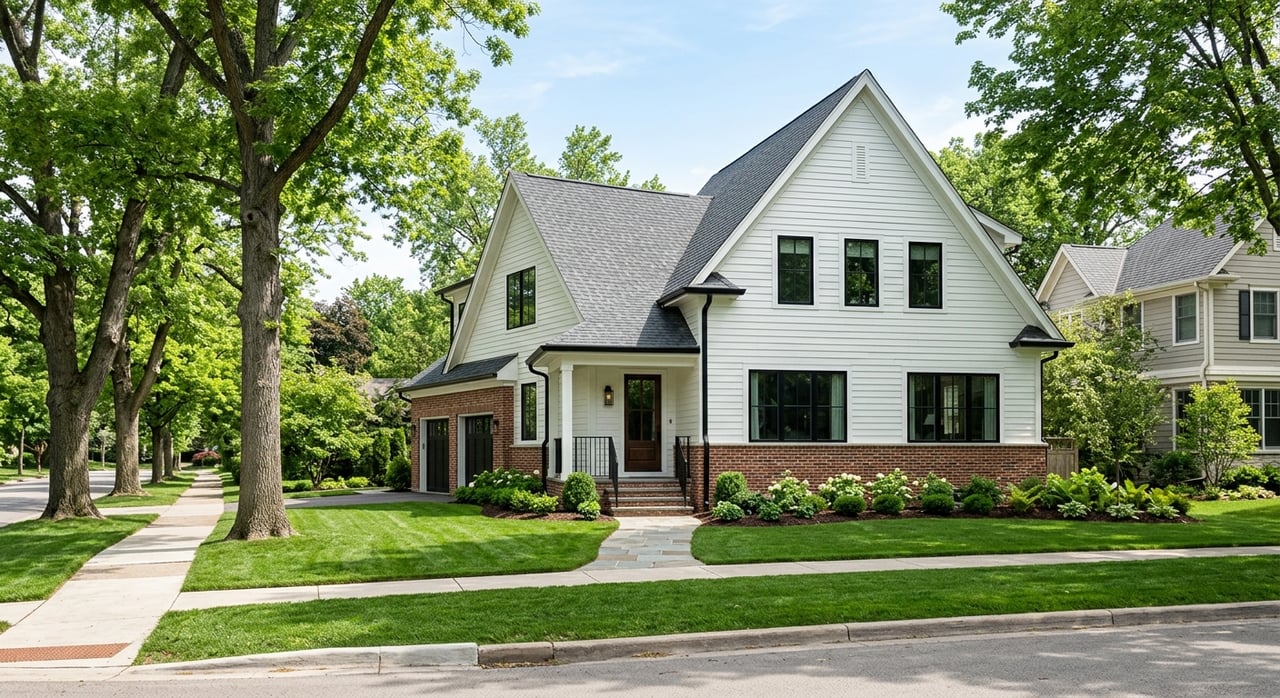
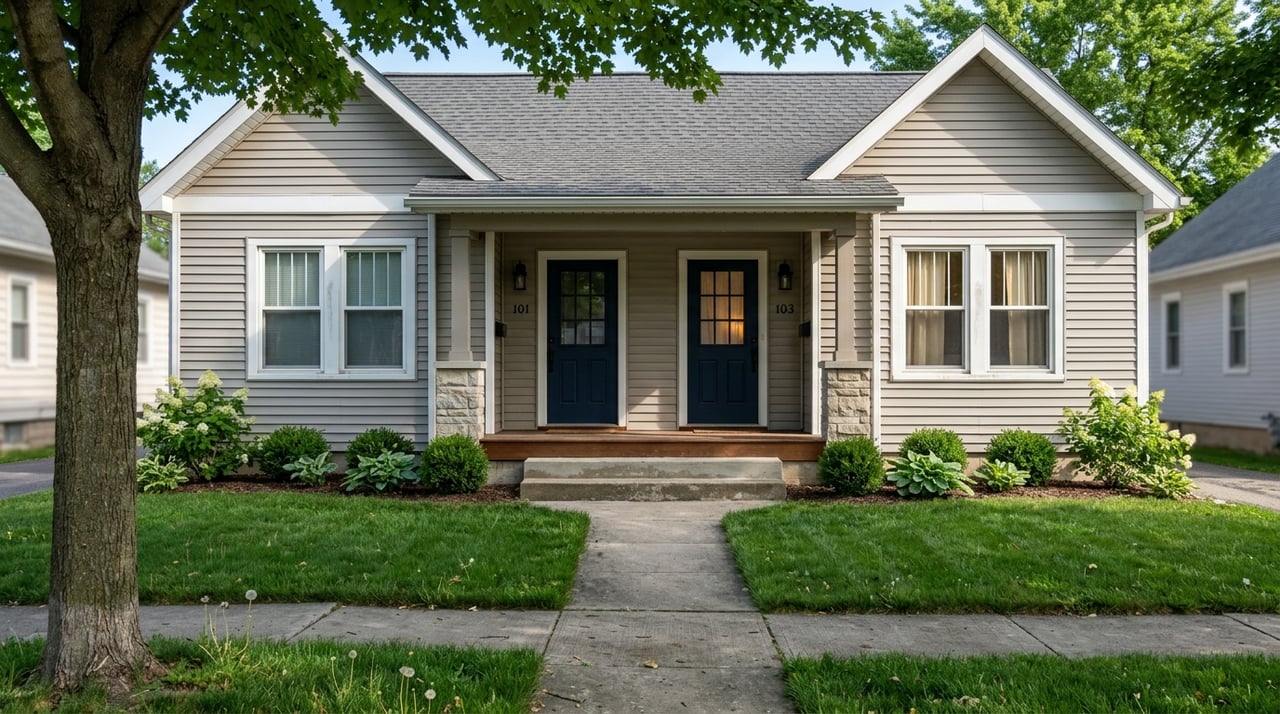
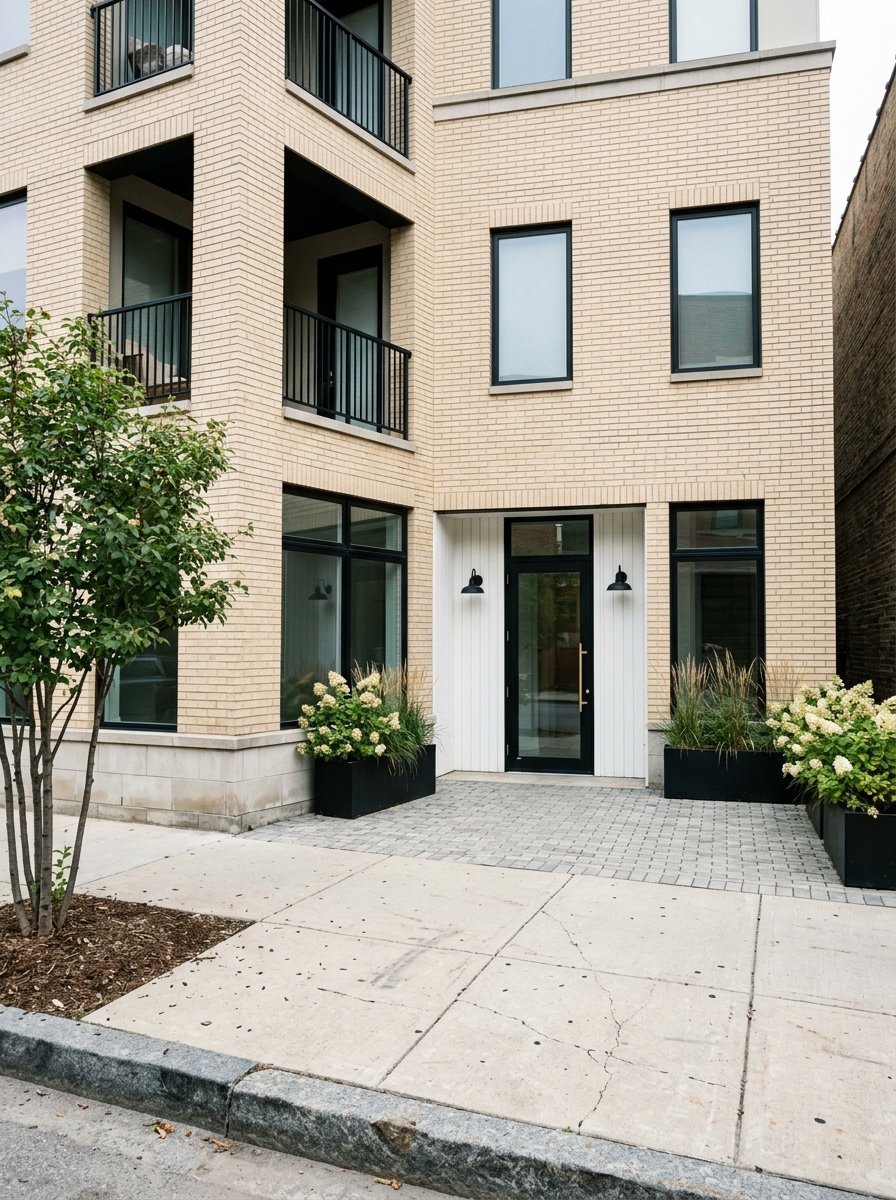
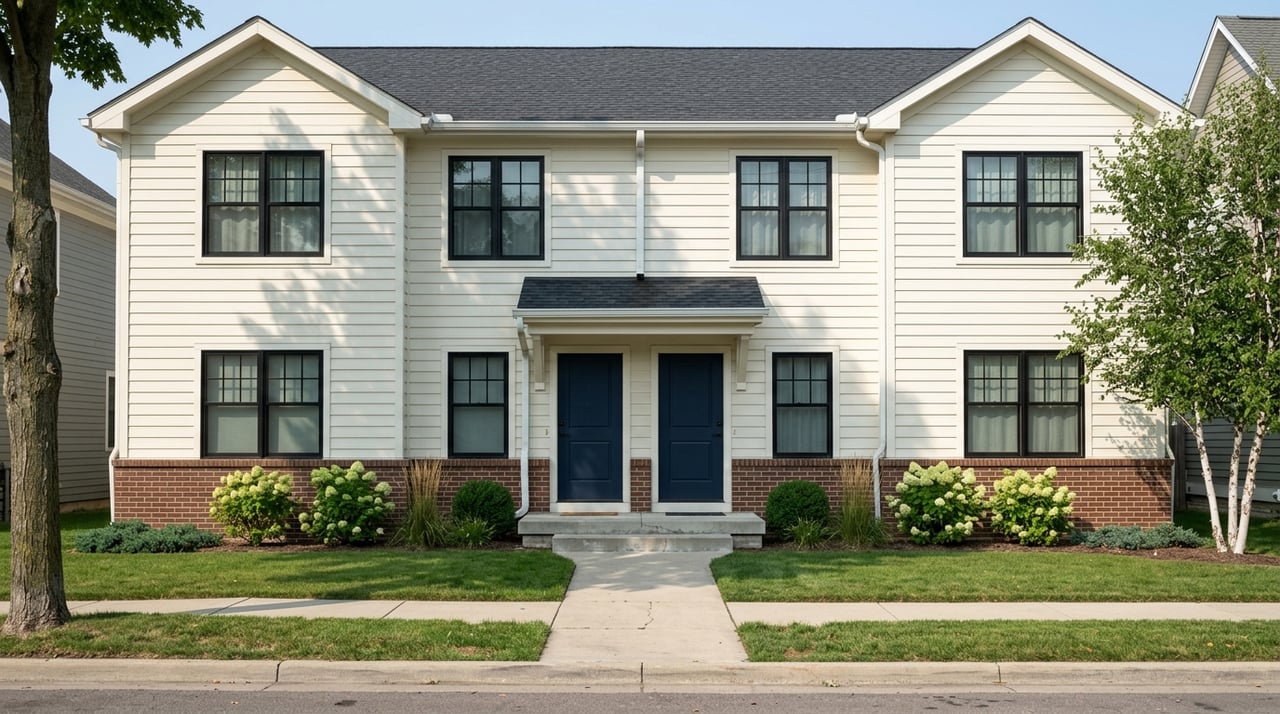
West St. Paul has a mixed housing stock, which gives buyers a range of options within a relatively small area. According to the city’s 2040 Comprehensive Plan, about 51% of housing units are single-family detached homes, 40% are in multifamily buildings with five or more units, 5% are townhomes, and 4% are duplex, triplex, or quadplex properties.
That variety matters when you picture how a city lives from day to day. You will find more than one type of resident routine here, from detached-home blocks to apartment living closer to commercial services. Most homes were built between 1950 and 1980, which helps explain why the city often feels established, practical, and distinctly mid-century in character.
For buyers, that can mean flexibility. You may be looking for a traditional house on a quiet residential street, a condo or apartment option near errands, or a townhome with a lower-maintenance setup. West St. Paul’s housing mix supports all of those possibilities.
If you spend time in West St. Paul, you will quickly notice the importance of Robert Street. The city identifies the Robert Street corridor as its commercial hub, and South Robert Street is described as a busy thoroughfare with about 20,000 cars per day.
That concentration shapes the city’s routine convenience. Many of the places people rely on for groceries, services, dining, and daily stops are clustered along or just off this corridor. Instead of spreading errands across a large suburban footprint, West St. Paul tends to funnel them into a few familiar routes.
There are also practical service nodes that support day-to-day living. Dakota County’s Northern Service Center sits at 1 Mendota Road behind Cub Foods on Robert Street, and the West St. Paul post office is located at Signal Hills Center. Those kinds of destinations reinforce a stop-and-go pattern that feels efficient for residents.
Current economic data backs that up. Census QuickFacts reports $548.7 million in retail sales in 2022, along with $25,190 in retail sales per capita and 500 all-employer firms. Retail trade, health care and social assistance, and accommodation and food services are among the city’s major sectors, which fits the reality of a place built around short local trips and everyday needs.
West St. Paul is not just about convenience along a shopping corridor. The city currently lists 15 parks along with major recreation facilities like the indoor ice arena, the Regional Athletics Center Dome, and the community pool. That gives residents multiple ways to work outdoor time and recreation into an ordinary week.
The park system is also active rather than static. The city adopted a new Parks and Recreation System Plan in January 2026, which suggests ongoing planning and investment rather than a park network that has been left alone for years.
For homebuyers, this can be an important quality-of-life factor. A city where parks are woven into everyday routines often feels easier to enjoy on a Tuesday evening, not just on a special weekend outing.
Harmon Park is one of the city’s best-known recreation spaces and its oldest park. The city describes this 19-acre park as having five baseball and softball diamonds, batting cages, a neighborhood center, hockey and skating amenities, a splash pad, a soccer field, and picnic areas.
That mix makes Harmon Park useful in a very practical way. It can function as a neighborhood park, a sports hub, and a gathering place for community events. If you are trying to picture where people naturally cross paths in West St. Paul, Harmon Park is one of those places.
For a different kind of outdoor experience, Thompson County Park offers a more wooded and scenic setting. Dakota County describes it as a 57-acre park with wooded trails, a picnic area overlooking Thompson Lake, a trailhead, and Dakota Lodge, which operates as a four-season event center.
This park adds balance to the city’s routine. On one hand, West St. Paul is compact and commercial in places. On the other, residents still have access to a nearby natural setting for walks, quiet outdoor time, and trail use.
The West St. Paul Sports Complex and the Regional Athletics Center Dome help round out the recreation picture. The Sports Complex is a 20-acre park with baseball and softball fields, a bike trail, a hiking trail, a playground, and soccer facilities.
The Dome adds year-round flexibility. The city describes it as a 110,000-square-foot indoor space used for soccer, lacrosse, softball, football, walking, jogging, rentals, and events. The city pool also supports summer routines with a zero-depth splash pool, a lap pool, plus an adjacent playground and picnic area.
One of the more useful things about West St. Paul is that trails are not treated as an extra. The city’s pedestrian and bicycle planning work is aimed at supporting sidewalks, trails, bikeways, and crossings so residents can build physical activity into daily life.
The River to River Greenway shows how that vision works on the ground. Dakota County says the greenway links Thompson County Park to Marthaler Park, West St. Paul City Hall, the Robert Street commercial corridor, Wentworth Library, the West St. Paul YMCA, Thompson Oaks Golf Course, and Kaposia Park.
That matters because it blends transportation and recreation. In some communities, trails are mostly for weekend use. In West St. Paul, the network helps connect civic destinations, shopping areas, and parks in a way that supports routine movement across the city.
Ongoing work reinforces that direction. The research points to Marthaler Park improvements and River to River Greenway expansion as part of the city’s broader commitment to access and active transportation.
Daily living often comes down to how easily you can get where you need to go. West St. Paul’s transportation page says the city is connected by local and county roads, nearby metropolitan highways, and transit services.
Transit options listed by the city include Metro Transit, DARTS LOOP service, Metro Mobility, and Transit Link. For broader regional access, the city also notes that Minneapolis-Saint Paul International Airport is about 20 minutes away by car.
The city’s economic development materials also emphasize its location close to both downtown St. Paul and downtown Minneapolis. For many buyers, that close-in position is a big part of the appeal. You can stay rooted in an established local community while keeping the wider Twin Cities within easy reach.
West St. Paul’s appeal is not just physical layout. It is also the way community life tends to center around repeat events, shared spaces, and familiar routes.
The city’s Explore West St. Paul Days is a good example. The 2026 event page describes a four-day celebration that attracts thousands of attendees and includes a medallion hunt, garage sale, live music, fireworks, a parade, and WestFest at Harmon Park.
The city also promotes recurring programs like Movies in the Park and Night to Unite. Together, those events give the city a neighborhood-centered feel that goes beyond errands and commuting. They help create the kind of familiar rhythm many buyers want when choosing where to live.
Planning documents add another layer to that local structure. Annual resident meetings are organized around ward boundaries, which also function as de facto neighborhood areas for events. That setup helps explain why West St. Paul often feels civic-minded and easy to learn over time.
If you are considering buying in West St. Paul, the strongest themes are convenience, compactness, and routine. This is a city where many everyday needs are close by, where parks and trails are part of ordinary life, and where established housing stock gives the area a lived-in character.
You should also notice how the city balances practical and recreational spaces. Robert Street supports errands and services, while parks like Harmon Park and Thompson County Park give you places to gather, play, walk, or slow down. That combination can make daily life feel more manageable and more connected.
From a real estate perspective, West St. Paul may appeal to buyers who want a first-ring location with housing variety and solid access to St. Paul and the rest of the metro. It can also appeal to sellers who want to position their home around lifestyle, not just square footage.
If you want help understanding how West St. Paul fits your goals, The Distad Team can help you compare neighborhoods, evaluate housing options, and make a confident move in the Twin Cities.
Stay up to date on the latest real estate trends.
Ready to get started? Reach out today and take the first step toward achieving your real estate goals!