House Hacking In Minneapolis: Live-In Investor Basics
June 18, 2026
June 18, 2026
Curious whether you can lower your housing costs while building long-term equity in Minneapolis? House hacking can be a practical way to do both, especially if you are open to living in one unit and renting out the others. If you are exploring your first small multifamily purchase, this guide will walk you through how house hacking works in Minneapolis, what rules matter most, and where the biggest opportunities and tradeoffs tend to show up. Let’s dive in.
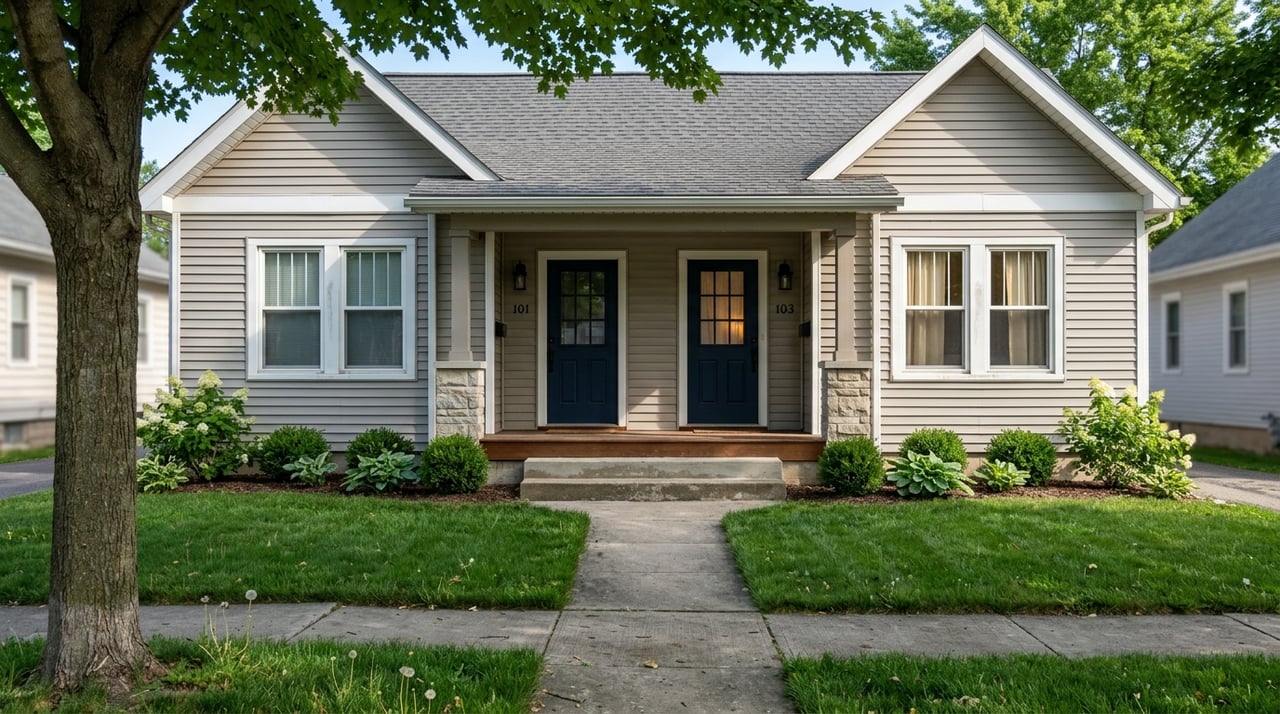
In Minneapolis, house hacking usually means buying an owner-occupied small multifamily property and living in one unit while renting out the other unit or units. The most common examples are a duplex, triplex, or fourplex.
That setup can help offset your monthly mortgage payment with rental income while you build equity in a property you also call home. For many buyers, it is a way to step into investing without taking on a separate rental property right away.
Minneapolis planning materials specifically recognize missing-middle housing types such as duplexes, triplexes, fourplexes, and other small multifamily formats. For a live-in investor, that makes existing small multifamily properties especially relevant in this market.
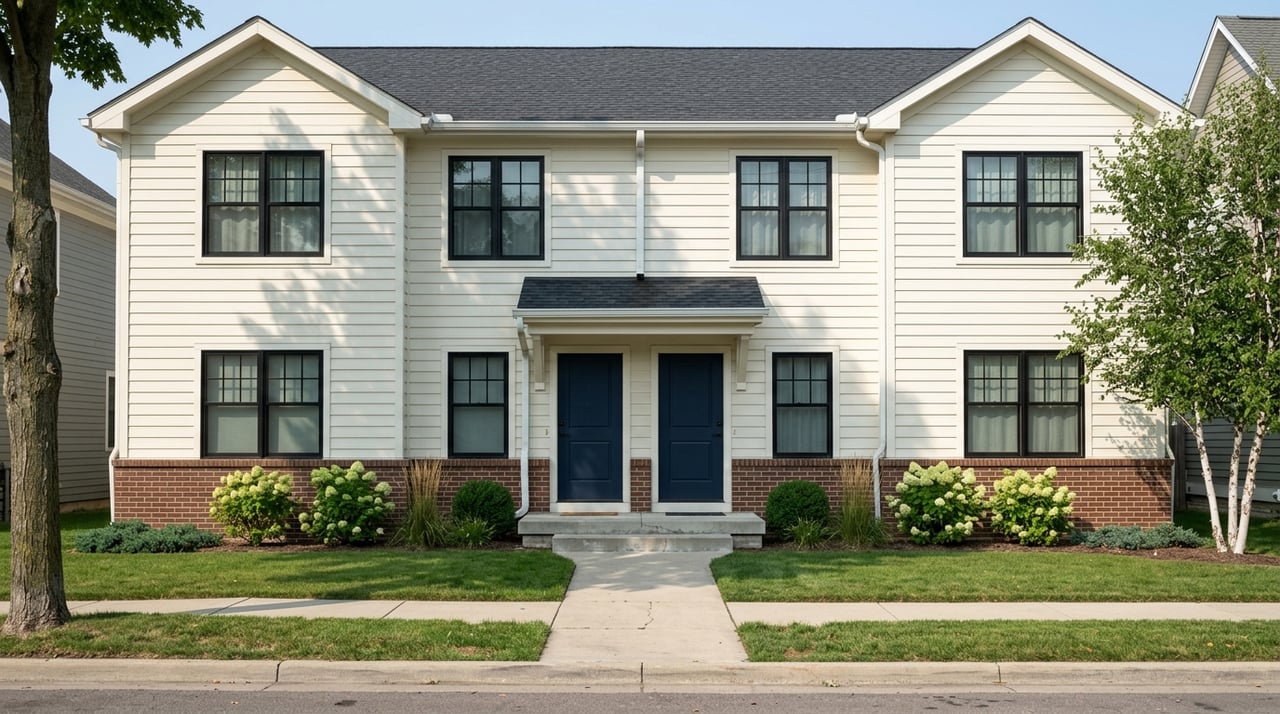
A duplex is often the most straightforward version of house hacking. You live in one unit, rent the other, and manage a property that is usually easier to understand than a larger building.
There is also a helpful Minnesota property tax detail for duplex buyers. If one unit of a duplex becomes your homestead, the entire duplex is classified as a residential homestead under Minnesota's property tax rules.
That can make a duplex especially appealing if you want a simpler entry point with live-in ownership and rental income. It will not remove the work of being a landlord, but it can improve the overall math.
If your goal is to maximize rent from day one, a triplex or fourplex may offer more upside. More units can mean more income sources, which may help offset a larger share of the monthly payment.
At the same time, 2-4 unit properties are usually underwritten differently than a standard single-family home. FHA and conforming loan programs use separate rules for these property types, so qualifying can be more involved than many buyers expect.
For a fourplex, there is another tax distinction to keep in mind. In Minnesota, the homesteaded unit is classified separately, while the other units remain non-homestead.
Before you get too far into numbers, confirm that the property's current use matches what is legally allowed. In Minneapolis, each property sits within a primary zoning district, and some parcels also have built-form or other overlays.
That means a property that looks like a good fit still needs to be checked carefully. The practical question is not just whether a building has multiple units today, but whether those units are legally established and usable as intended.
This is especially important if you are considering a property with future conversion potential. Buying an existing duplex is very different from planning to create a second or third unit later.
Minneapolis materials note that in residential neighborhoods, and on property with a single-, two-, or three-family home, only one residential building is generally allowed per property unless a specific exception applies. In plain terms, adding another building is a separate zoning question from purchasing an existing duplex or triplex.
That distinction matters for buyers who hope to increase value over time. A property may work well as a house hack today but still have limits on future expansion.
If you want to convert a single-family house into a duplex, or a duplex into a triplex, Minneapolis has specific permit paths for those projects. City plan review is part of that process.
For live-in investors, this is a major reason to verify feasibility early. A property with "potential" only becomes an opportunity if the city will actually allow and approve the work.
In Minneapolis, rental licensing is not optional for the rented unit in a house hack. The city requires a rental license for any dwelling unit where the owner is not occupying that unit, even if no rent is paid or the occupant is a relative.
So if you buy an owner-occupied duplex and rent the second unit, that rented unit falls under the city's rental licensing system. The city also requires annual renewal and posting requirements for licensed rentals.
This is one of the clearest tradeoffs of house hacking. You may lower your housing costs, but you also take on real compliance responsibilities as a rental owner.
Financing is often where the strategy either works or falls apart. The good news is that several owner-occupied loan options can apply to 1-4 unit properties.
The challenge is that lenders usually view small multifamily properties as more complex than single-family homes. That can affect down payment expectations, documentation, and how much rental income a lender is willing to count.
FHA-insured financing is available on 1-4 unit properties. HUD says the down payment can be as low as 3.5% of the purchase price.
For 3-4 unit FHA properties, there is also a self-sufficiency test. That test compares the monthly principal, interest, taxes, and insurance to net rental income after vacancy and maintenance assumptions.
In practical terms, that means a triplex or fourplex may need to demonstrate stronger rental support than a duplex. It is a useful option, but not always a simple one.
Conforming conventional loans can also be used for owner-occupied 2-4 unit properties. Freddie Mac's current loan-to-value guidance allows up to 95% LTV on 2-unit primary residences and, in many purchase or no-cash-out refinance scenarios, up to 95% on 3-4 unit primary residences.
That does not mean every borrower will qualify at those levels. It does mean conventional financing can be a real path for house hackers who meet lender standards.
VA-backed purchase loans can be used to buy a home with up to 4 units as long as you live in the property. According to the VA, many purchase loans require no down payment and do not require private mortgage insurance.
For eligible buyers, that can make house hacking much more accessible. It is one of the strongest owner-occupied financing tools available for a small multifamily purchase.
One of the biggest misunderstandings around house hacking is the idea that a lender will count every dollar of expected rent. In reality, lenders often discount projected rent when qualifying you.
For example, Fannie Mae guidance uses 75% of gross rental income in one rental income calculation. It also includes the subject property's proposed payment in the expense side of the analysis for a 2-4 unit primary residence.
The takeaway is simple: rental income can help, but it may not help as much as you expect on paper. When you are setting a budget, leave room for a more conservative underwriting result.
Minnesota homestead classification is one of the more useful benefits for a live-in investor. To qualify, you must own the property, occupy it as your sole or primary residence, and be a Minnesota resident.
Hennepin County says owners generally must apply by December 31. If you sell, move, or otherwise stop qualifying, you must notify the assessor.
For duplexes and triplexes, Minnesota's property tax rules are especially favorable. If one unit is homesteaded, the entire duplex or triplex is classified as residential homestead.
For four-unit and larger properties, the homesteaded unit is classified separately, and the other units remain non-homestead. That difference can affect the long-term economics of the property, so it is worth understanding before you decide between a duplex, triplex, or fourplex.
House hacking can be a smart strategy, but it is not passive. You are combining your home life with property operations, tenant coordination, and city compliance.
That can still be a very good trade if your goal is to reduce your personal housing expense and build equity with help from rental income. The key is going in with a full picture, not just the social-media version of the idea.
Here are a few practical tradeoffs to think through:
Not every multifamily property makes a good live-in investment. In Minneapolis, a strong candidate often checks several boxes at once.
Look for:
A good house hack is not just about price. It is about how the zoning, licensing, financing, and tax pieces work together.
If you are weighing a duplex against a triplex or fourplex in Minneapolis, or trying to evaluate whether a conversion idea is realistic, working with a team that understands both small multifamily transactions and development details can make the process much clearer. When you are ready to talk through strategy, property fit, and next steps, connect with The Distad Team.
Stay up to date on the latest real estate trends.

Ready to get started? Reach out today and take the first step toward achieving your real estate goals!