
Low-Maintenance Living In Minneapolis: Condos, Lofts And More
May 7, 2026
May 7, 2026
Looking for a home that gives you more time and fewer weekend chores? In Minneapolis, low-maintenance living can be a smart fit if you want less exterior upkeep, easier city access, and a simpler ownership routine. The key is knowing what you are really buying, because convenience often comes with monthly dues, shared rules, and association oversight. Let’s dive in.
In Minneapolis, low-maintenance housing often means buying into a common interest community, or CIC. That usually gives you ownership of your private unit along with shared ownership of common areas, shared costs, and a set of association rules.
For many buyers, the biggest appeal is practical. You may have less day-to-day responsibility for things like snow removal, lawn care, and exterior upkeep, which can feel especially valuable during a Minnesota winter.
That convenience comes with tradeoffs. You will likely pay monthly dues, follow community rules, and rely on a board or management company to help make decisions about the property.
Low-maintenance living tends to appeal to buyers who want an easier routine and stronger access to urban amenities. If you would rather spend your time enjoying Minneapolis than managing exterior repairs, a condo, loft, or townhome may be worth a closer look.
It can also be a good fit if you are comfortable with a smaller to-do list and shared governance. The right property often works best when your lifestyle matches the building’s rules, budget structure, and maintenance plan.
Not all low-maintenance homes work the same way. In Minneapolis, the differences between condos, lofts, and townhomes can shape your monthly costs, responsibilities, and day-to-day experience.
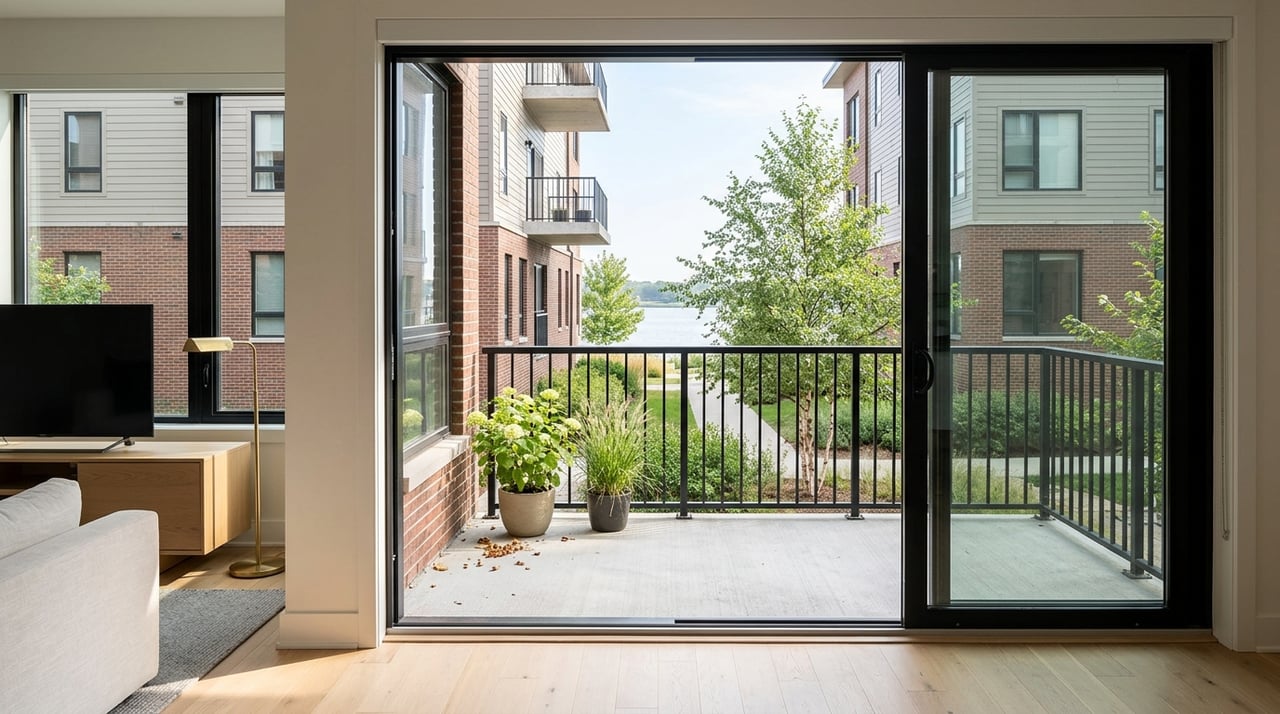
A condo usually offers the most straightforward low-maintenance setup. In Minnesota, the association is generally responsible for maintaining, repairing, and replacing common elements, while you are typically responsible for your unit itself.
That setup can be attractive if you want less exterior responsibility and a more building-centered lifestyle. It also means you should pay close attention to the association’s budget, rules, and reserve planning before you buy.
A loft often brings a different feel than a standard condo. These homes are commonly found in converted warehouse or commercial buildings and may feature open layouts with fewer interior walls and more industrial character.
In Minneapolis, first-time condominium conversions come with an added local check. The city requires a licensed professional to complete a verification form that comments on the building’s common areas, which gives buyers another point of review.
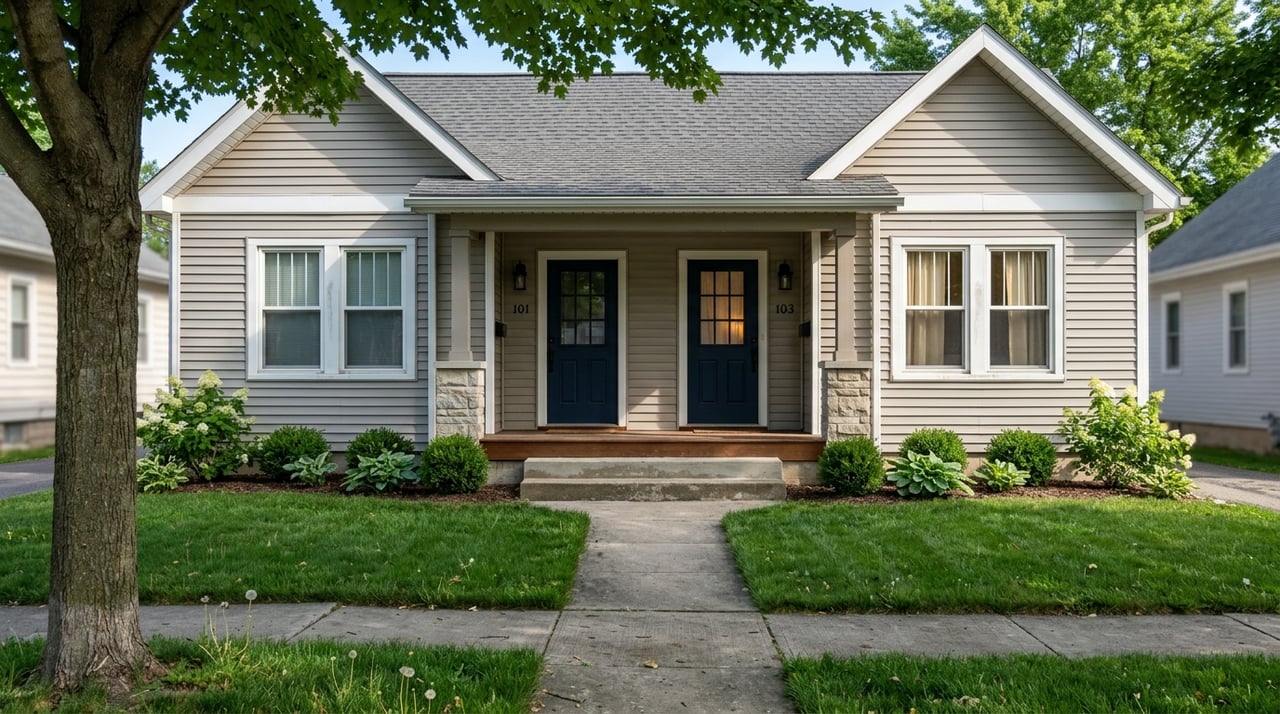
Townhomes often feel more like a traditional house. In many cases, the ownership structure includes the ground beneath the unit, which can make the property feel more independent than a condo.
That said, many townhome communities are still part of a common interest community. You may still have association dues, shared maintenance obligations, and community rules, even if the home feels more private.
Before you buy, it helps to understand what an association actually does. Association boards typically adopt budgets, manage common areas, levy assessments, and hire contractors for building or community needs.
Some associations hire management companies to handle daily operations. Even then, the board remains responsible to the owners, so strong leadership and clear communication still matter.
Rules can also be broader than many buyers expect. Minnesota guidance notes that associations may regulate pets, smoking, parking, noise, and even bird feeders, so it is important to read the documents instead of assuming a building will be flexible.
Monthly dues are a core part of low-maintenance living. They generally cover everyday operations and also help fund long-term repair and replacement needs.
A well-run association should budget for reserves. If reserves are too low, owners may face special assessments when a major repair comes up or when the association needs to rebuild savings.
In Minnesota, associations are required to include reserve planning in the budget and provide annual reporting on reserves, capital expenditures, insurance, litigation, and past-due assessments. For buyers, that information can reveal whether a community is planning ahead or reacting late.
One of the biggest points of confusion for buyers is who covers what. In general, associations handle common elements and carry property and liability coverage to the extent reasonably available, while owners insure their own contents and remain responsible for damage they cause.
Minnesota also requires associations to maintain a written preventative maintenance plan, maintenance schedule, and maintenance budget for common elements. That matters because low-maintenance living works best when upkeep is planned, not postponed.
A good unit does not automatically mean a good association. You should review the common areas as carefully as you review the home itself.
Minnesota guidance suggests looking at roofs, siding, driveways, hallways, pools or spas, and game rooms if they exist. The goal is simple: make sure the property’s visible condition matches the financial story you are being told.
You should also ask practical questions such as:
These details can shape both your monthly budget and your day-to-day experience after closing.
Local rules matter, especially in a city setting. In Minneapolis, condominiums must be registered with the City and renewed annually.
If a unit inside a condo is used as a rental, it needs a rental license. Short-term rental use also requires separate registration, which is important if you are considering future flexibility.
Townhome owners should also know that Minneapolis requires owners of owner-occupied townhouses to register the building with the City. These local requirements are a reminder that property type and intended use can affect what you need to verify before moving forward.
For a resale purchase, Minnesota gives buyers important document rights. Sellers must provide key association materials, including the declaration, bylaws, articles, rules, a disclosure or resale disclosure certificate, a recent financial statement, the current budget, and information about judgments or lawsuits.
The resale disclosure certificate must be no more than 90 days old. If the disclosures were not provided at least 10 days before the purchase agreement was signed, buyers generally have a 10-day rescission window after receiving them.
This is one of the most important parts of your due diligence. It gives you time to evaluate whether the association is financially sound, well managed, and aligned with how you plan to live in the home.
Newer communities can offer clean finishes and modern layouts, but they deserve extra scrutiny. In some cases, declarant control remains in place for a period before owners elect the board.
That means the developer may still control day-to-day decisions for a time. If you are considering a newer condo or townhome, ask when owner turnover happens and how current decisions are being made.
Low-maintenance living is not just about the home type. It is about whether the ownership structure fits the way you want to live.
A condo may make sense if you want a simple setup and are comfortable with shared governance. A loft may suit you if you value open space and converted-building character. A townhome may be the better fit if you want a more house-like feel while still reducing exterior work.
In Minneapolis, the best low-maintenance options usually have three things in common: transparent documents, healthy reserves, and a disciplined approach to repair planning. When those pieces are in place, the lifestyle can deliver real convenience without unpleasant surprises.
If you are weighing condos, lofts, or townhomes in Minneapolis, having a local team that understands both resale housing and development details can make the search much clearer. The Distad Team brings Twin Cities market knowledge, hands-on real estate guidance, and a practical eye for how homes and communities are run.
Stay up to date on the latest real estate trends.

Ready to get started? Reach out today and take the first step toward achieving your real estate goals!