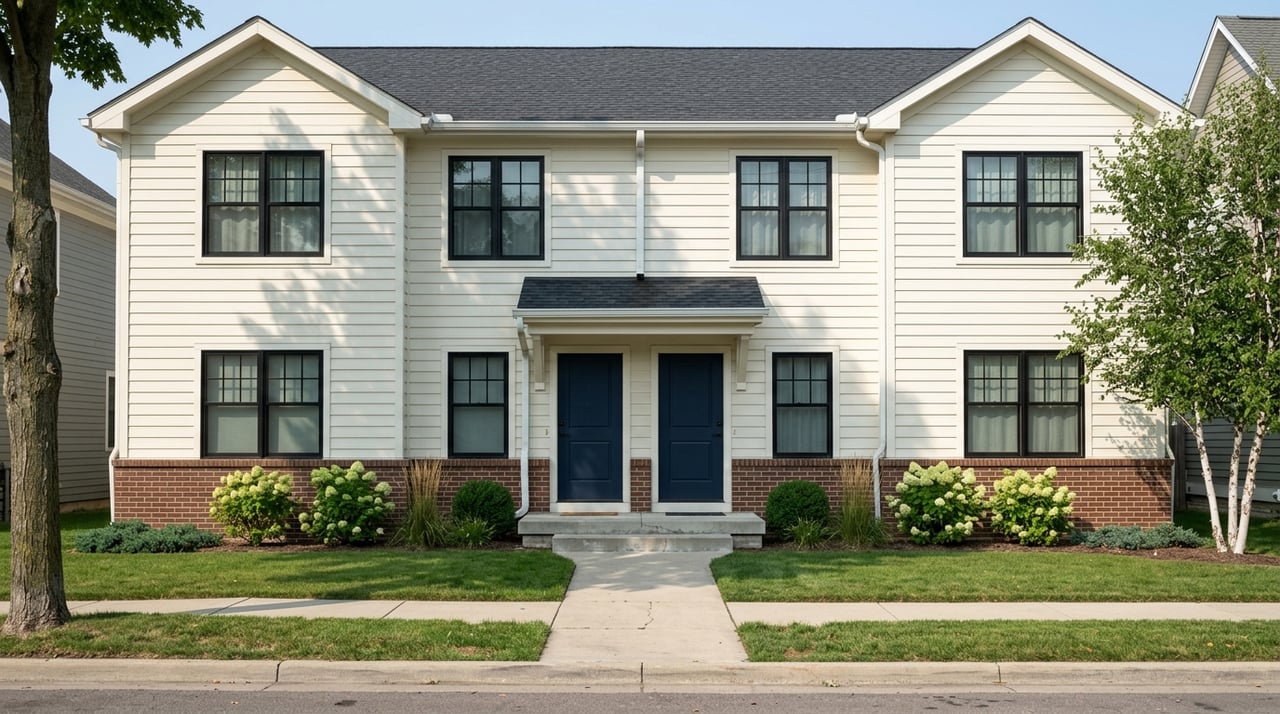
Small Multifamily Investing In Minneapolis: A Starter Guide
April 23, 2026
April 23, 2026
Thinking about buying a duplex, triplex, or fourplex in Minneapolis? It can be a smart way to start building real estate wealth, especially if you want to live in one unit and rent the others. But small multifamily investing here is not just about finding a property with extra doors. You also need to understand financing, rental licensing, zoning, and the realities of operating a property over time. Let’s dive in.
Minneapolis has a meaningful renter base, which is one reason many first-time investors look at small multifamily properties here. According to the U.S. Census Bureau’s Minneapolis quick facts, the city’s owner-occupied housing rate was 47.7% in 2020-2024, and median gross rent was $1,371.
That said, citywide rent figures are only a starting point. A duplex in one part of Minneapolis can perform very differently from a fourplex on another block. If you are comparing properties, it is important to evaluate actual leases, unit condition, and appraised market rent instead of assuming the city average will match your building.
For many first-time buyers, the easiest entry point is to buy a two- to four-unit property as your primary residence. You live in one unit and rent out the others. This approach can open the door to lower-down-payment financing and may make qualifying easier than buying a pure investment property.
This matters because small multifamily is underwritten differently from a single-family house. Fannie Mae’s valuation guidance says the income approach is required for two- to four-unit properties, which means the building’s rental potential is part of the value discussion from the start.
If you plan to owner-occupy, an FHA loan may be one of the most accessible paths. HUD’s FHA 203(b) program applies to one- to four-unit owner-occupied principal residences and offers approximately 96.5% financing.
HUD also allows lenders to use appraised market rent and prospective leases when available on qualifying two- to four-unit properties. For three- to four-unit FHA purchases, borrowers must also have three months of PITI reserves after closing. That reserve requirement is a good reminder that multifamily financing often asks you to show more financial cushion.
Conventional loans can also work well for small multifamily buyers who plan to live in the property. Freddie Mac’s LTV requirements list a 95% maximum loan-to-value ratio for two-unit, three-unit, and four-unit primary residences.
For some buyers, the down payment picture may be more flexible than expected. Fannie Mae’s HomeReady guidance notes that a two- to four-unit principal residence may require only a 3% borrower contribution from the buyer’s own funds unless a grant is involved.
If you are an eligible veteran, small multifamily may also be within reach through VA financing. The VA home buying guide states that purchase loans can be used for multi-family properties up to four units when one unit is owner-occupied, and no down payment may be required if the sales price does not exceed appraised value.
If you do not plan to live in the building, expect stricter lending standards. Freddie Mac lists a 75% maximum LTV for two- to four-unit investment properties, which usually means a much larger down payment.
That is one reason many first-time multifamily investors begin with house hacking instead of jumping straight into a non-owner-occupied purchase.
One of the biggest beginner mistakes is assuming a lender will count every dollar of rent at full value. In practice, underwriting is usually more conservative.
Fannie Mae’s rental income guidance requires rent reporting for two- to four-unit principal residence and investment properties. FHA also uses a conservative method. When there is limited or no rental history, lenders may use 75% of the lesser of fair market rent or the lease amount.
That means your spreadsheet should be realistic from day one. If you are running numbers on a Minneapolis duplex or fourplex, focus on supportable rents, not best-case rents.
If you plan to rent units in Minneapolis, you need to understand the city’s rental licensing rules before you close. The city states that every rental property must have a license, annual renewals are due March 1, and a new owner must apply within 60 days of closing or an administrative fee can apply.
This is not a minor detail. Licensing affects your timeline, your operating costs, and your compliance responsibilities as soon as you become an owner.
Minneapolis uses a tiered system for rental licensing. According to the city’s rental license fee page, fees and inspection frequency depend on the property’s tier and unit count.
Tier 3 properties are inspected annually, Tier 2 properties every five years, and Tier 1 is the default when a property has gone more than five years without a routine inspection. The tier is based on recent inspections, violations, and solid-waste cleanups. For a buyer, that means a property’s operating profile is tied not just to rents, but also to its maintenance and compliance history.
In small multifamily, condition affects more than your renovation budget. It can also affect financing, appraised rent, licensing, and your future repair burden.
That is especially important in Minneapolis, where rental licensing is tied to health, safety, and livability standards. Deferred maintenance can make a property harder to finance, harder to rent, and more expensive to operate over time.
When you evaluate a property, look beyond finishes. Ask how the building has been maintained, whether current rents are supported by condition, and what capital work may be waiting for you after closing.
A lot of first-time investors focus only on current income. That is understandable, but future use matters too. If you are thinking about adding units, changing use, or expanding later, zoning needs to be part of your review.
The city says zoning rules are parcel-specific, based on the primary zoning district, built-form overlay district, and any additional overlays. The city also notes that its interactive map is frequently updated but is not legally binding, so staff verification matters before you buy.
That distinction is important. A property that looks promising online may not support the future plan you have in mind.
Minneapolis also notes that some parts of the city still allow only one home on a lot, with exceptions such as detached accessory dwelling units, cluster developments, common lot developments, and planned unit developments.
For a starter investor, this is a useful reminder to buy based on what is actually allowed, not what you hope might be possible later.
Minneapolis has active renter-protection rules, and those should be part of your planning. The city’s renter protections page says security deposits are capped at one month’s rent and that certain pre-lease disclosures are required.
The city also indicates that rent-stabilization policy remains in flux. Its public materials describe continuing policy work rather than a settled, universal cap, and later city materials show ongoing drafting activity. In addition, Minneapolis approved a Rental Licenses Ordinance in October 2025 with implementation set for January 1, 2027.
The takeaway is simple: build your numbers conservatively, and do not assume today’s compliance environment will stay unchanged for years.
If you are exploring small multifamily investing in Minneapolis, start with these basics:
A good small multifamily purchase is not just about finding a building with income. It is about finding one that can survive underwriting, licensing, maintenance, and changing city rules over time.
That is where local guidance can make a real difference. When you work with a team that understands Twin Cities housing, development realities, and investor decision-making, you can evaluate opportunities with a much clearer view of risk and upside.
If you are thinking about buying a duplex, triplex, or fourplex in Minneapolis, The Distad Team can help you assess the property, the numbers, and the long-term fit so you can move forward with confidence.
Stay up to date on the latest real estate trends.




Ready to get started? Reach out today and take the first step toward achieving your real estate goals!