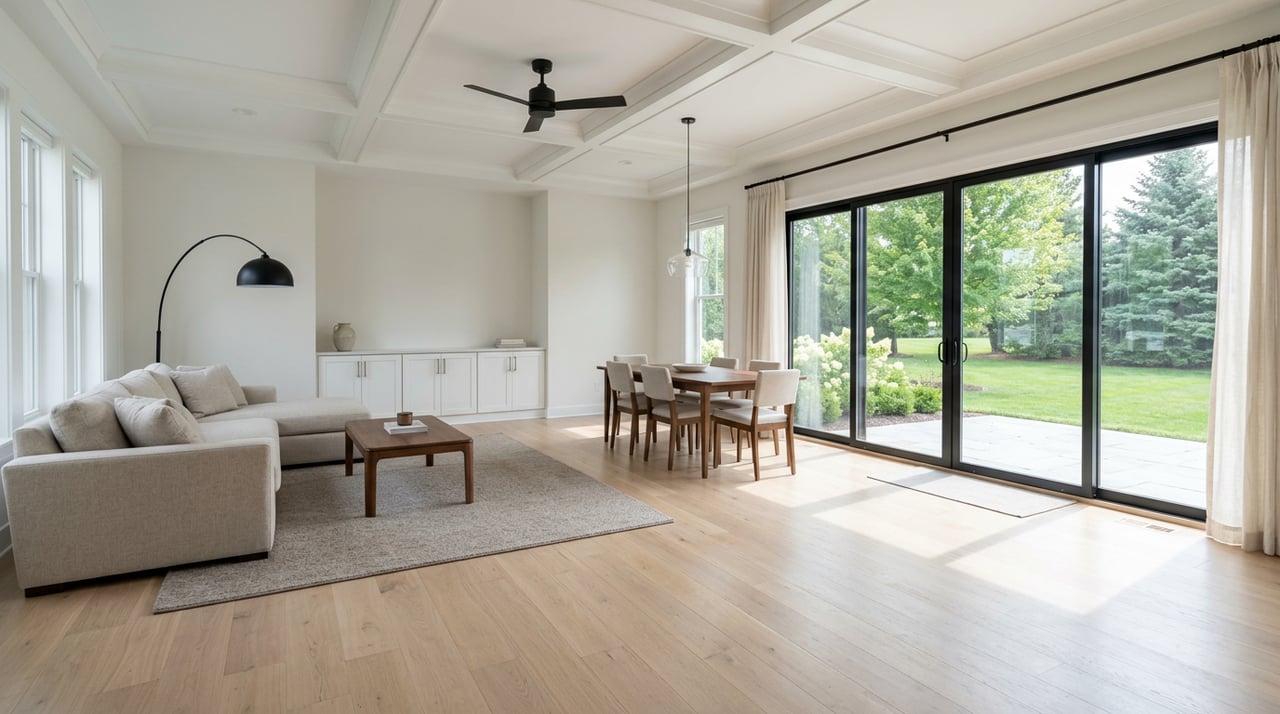
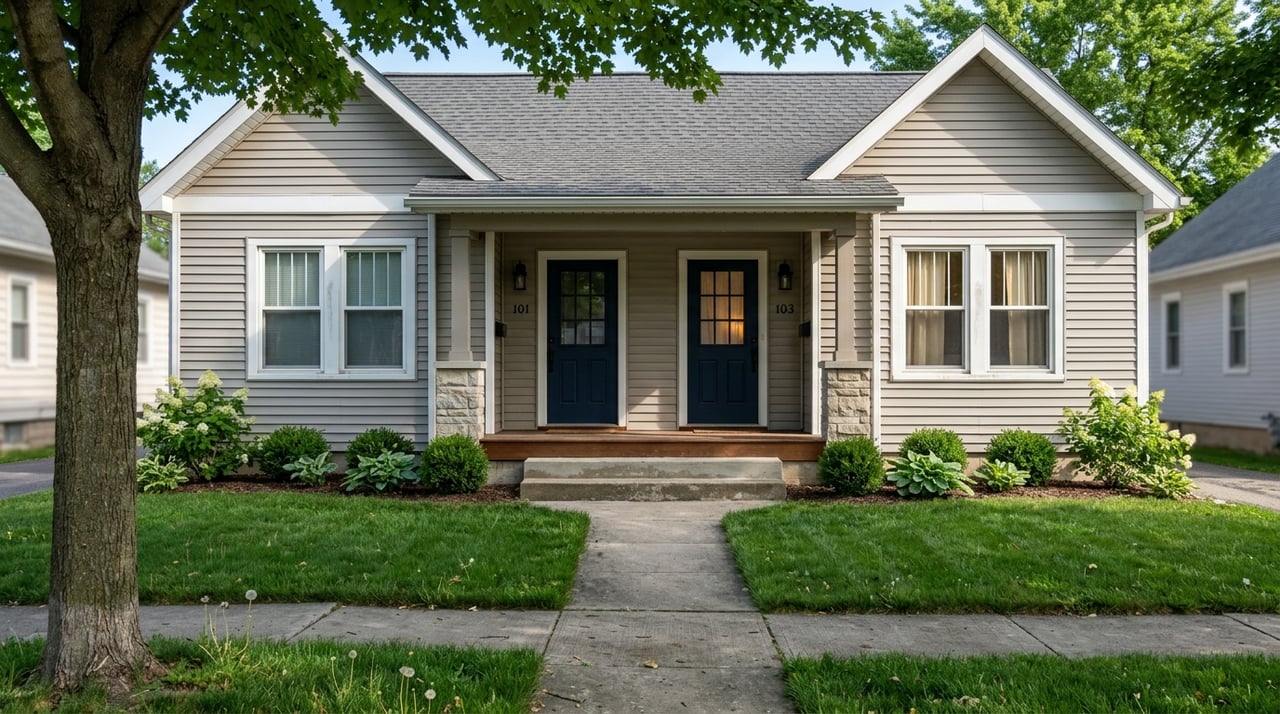
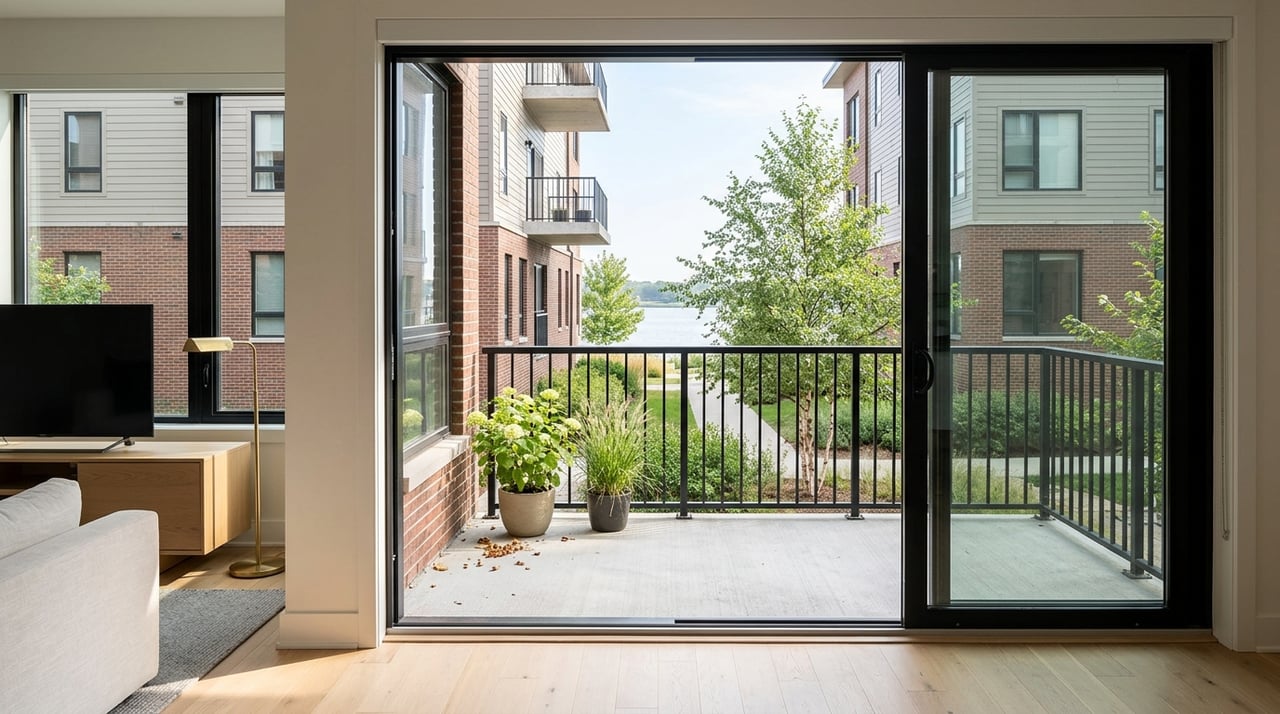
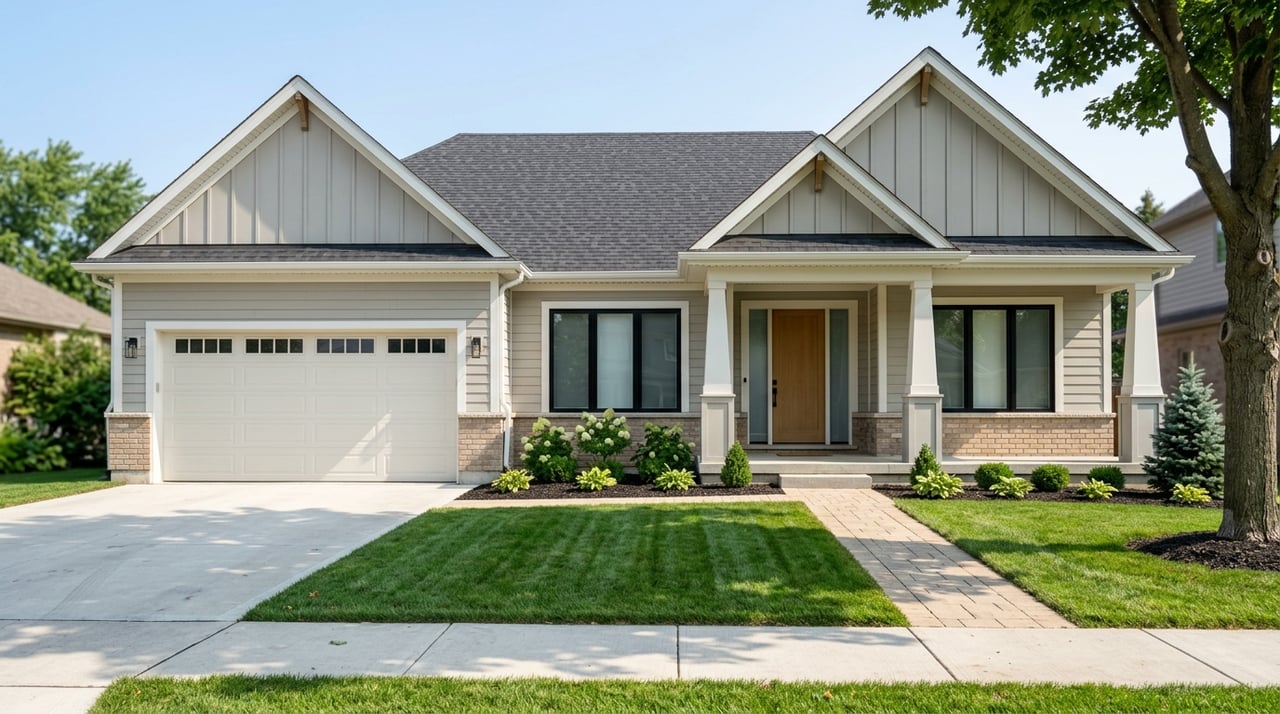
Outgrowing your Eagan home does not have to mean stress or guesswork. Maybe you need another bedroom, a quiet office, or just more room to gather. The good news is you can make a smart move by comparing the real costs and timelines of adding space to your current home with buying a larger place nearby. This guide gives you a clear framework, local permitting basics, neighborhood ideas, and proven strategies to buy and sell with confidence. Let’s dive in.
Decide: add space or move
Before you call a contractor or browse listings, get clear on your need, timing, and budget.
- Define the need. Do you need more square footage, or a better layout? Be specific about bedrooms, a primary suite, a home office, storage, or accessibility.
- Timing. When do you need the space? Additions and lower-level finishes require design, permitting, and construction time.
- Budget and financing. Set a maximum budget and how you will fund it. Include contractor bids, permit and utility fees, and short-term financing costs.
- Resale and comparables. Check what larger homes in your neighborhood sell for and what buyers pay per finished square foot. Use this to set realistic expectations.
Do a simple math check:
- Remodel path: total project cost minus any expected tax benefits or savings.
- Move-up path: price of a larger home you like minus your expected sale proceeds, plus transaction costs.
If your remodel cost is close to or higher than the premium to buy bigger nearby, moving often wins.
For ROI context, the annual Remodeling Cost vs. Value report for the East North Central region shows that exterior projects and basement finishes often recoup a higher share of cost, while major additions tend to recoup less at resale. Review the latest data before you commit so your plan fits both your life and the market. You can explore the regional benchmarks in the Cost vs. Value tables at the source site. See the 2025 East North Central report.
Costs and resale reality
You want more space and a strong long-term position. Here is how common projects compare in the 2025 East North Central benchmarks and what they tend to solve.
| Project |
East North Central return trend |
What it solves |
| Garage door replacement |
Often among the higher cost recoup projects |
Curb appeal and first-impression value |
| Siding or window replacement |
Frequently recoup a substantial share of cost |
Efficiency, exterior refresh, buyer confidence |
| Deck addition |
Often delivers strong enjoyment and solid resale share |
Outdoor living without full addition |
| Basement remodel (midrange) |
Job cost around $50k with resale value about $36k–$39k, or roughly 71–79% recoup |
Adds usable square footage for family room, office, or guest space |
| Primary suite or large second-story addition |
Typically lower percent of cost recouped at resale |
Adds bedrooms, baths, and privacy but at higher total cost |
Source: 2025 Cost vs. Value, East North Central.
How to use this:
- If you plan to stay 5 or more years, payback can be measured in daily life, not just resale. A targeted finish or basement project can add real function at a reasonable cost.
- If you need multiple bedrooms, a larger lot, or a different home style, the move-up premium may be a better value than a big addition.
- Always compare to local sales. Look at what buyers pay per finished square foot in the neighborhood you would buy into.
Permits and timelines in Eagan
Eagan requires permits for additions, lower-level finishes, and many structural or mechanical changes. Fees are often based on project valuation or square footage, with a stated minimum for many categories. Always verify your exact fees with the City before you finalize a budget. Review the 2025 Permit Fee Schedule and the Licenses and Permits portal for current steps.
Typical path:
- Contractor drawings and scope
- Permit application through the online portal
- Plan review by the City
- Inspections during construction
Build in contingency time for plan review and inspections, especially if you plan to complete a project before listing your home.
When an addition often makes sense
- You mainly need functional fixes like an open plan, an extra bath, or a finished basement.
- The project cost is well below the premium to buy a larger home nearby.
- You plan to stay long enough to enjoy the upgrade.
- You choose projects with historically stronger payback, such as a basement finish or targeted exterior improvements. See the regional Cost vs. Value data to benchmark.
When moving often makes sense
- You need several more bedrooms, a larger lot, a three-car garage, or a different home type.
- Your lot or zoning limits make expansion difficult. Check setbacks and lot coverage with Eagan’s planning staff early via the City’s Licenses and Permits page.
- The total buildout cost plus disruption approaches the price gap to a larger home in your target neighborhood.
Eagan neighborhoods for more space
These areas often offer larger lots, more finished square footage, or newer construction. Inventory changes often, so check current listings and recent sales before you decide.
Great Oaks and nearby Oaks pockets
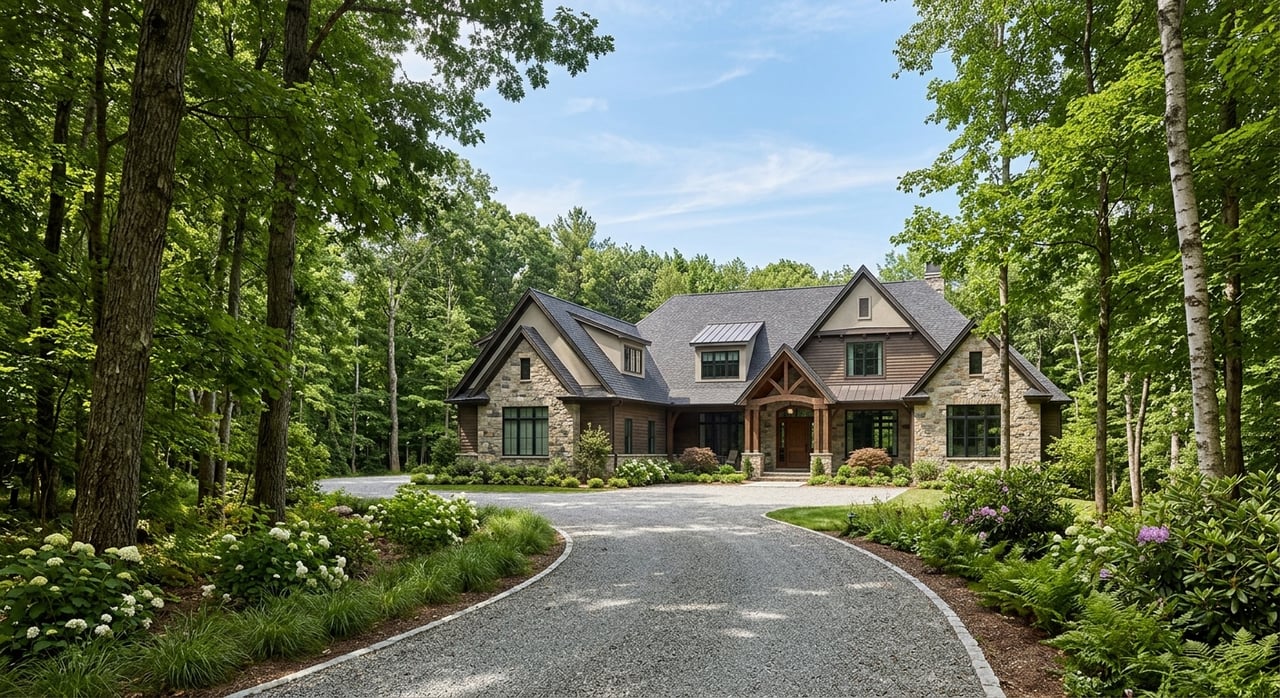
You will find custom and higher-end single-family homes, often on larger lots. This is a good place to seek half-acre or larger sites with significant finished square footage. For a sense of product type, view a representative example from the area on a neutral listing platform like Land and Farm. Confirm current pricing bands with live MLS data.
The Woodlands area
Expect mature trees and homes that often exceed 3,000 finished square feet. This area attracts buyers prioritizing privacy and interior space. Use neighborhood filters to verify school assignments in ISD 196 and compare per-square-foot pricing to nearby move-up areas.
Parkside Circle and new-construction pockets near Lebanon Hills
If you want newer design, energy efficiency, and one-level living options with larger footprints, explore infill lots and builder communities here. Many builders showcase models through the Twin Cities Parade of Homes. See a sample entry from a local builder on the Parade of Homes site to get a feel for floor plans and finishes.
Lexington Pointe and established east/central Eagan subdivisions
These established neighborhoods include many 3 to 4 bedroom homes with occasional larger remodels and expanded footprints. If you want to stay within ISD 196 while gaining more interior space, this is a practical search zone. Verify boundary details with the district and compare recent sales for realistic budgets.
Town Center and Viking Lakes area
This mixed-use area includes newer housing types such as townhomes, villas, and detached townhome models. If you value modern finishes and walkable amenities more than a large yard, watch for owner-occupied product as the area continues to develop.
Note on schools: Most of Eagan feeds into ISD 196. School assignment can affect search filters and resale planning. For general context, see the Eagan High School overview and confirm boundary details directly with the district before making decisions.
Buy and sell without chaos
You can sequence both transactions with a clear plan and the right financing approach.
Financing options to compare
- Bridge loans or buy-before-you-sell programs. These short-term options use your equity to help you buy first, often making your offer stronger. Fees and rates are usually higher than a standard mortgage. Review a practical overview in this guide to buying and selling at the same time.
- HELOC or second mortgage. A home equity line of credit can fund a down payment while you list your current home. Understand the differences and risks in the CFPB’s HELOC explainer.
- Carrying two mortgages briefly. If you plan to overlap, run the cashflow math, including payments, taxes, insurance, utilities, and vacancy risk. Lender underwriting and DTI rules matter. The same guide above outlines what to expect.
Offer and contract strategies
- Home-sale contingency. Works best in balanced markets. If you use one, keep the window short and include a firm marketing plan for your sale.
- Rent-back or post-closing possession. If you sell first, negotiate a rent-back so you can move once instead of twice. Document length, daily rent, and insurance.
- Simultaneous listing strategy. Stage, price, and launch your sale to align with your purchase close date. Coordinate inspection and contingency timelines tightly.
A simple timeline template
- Pre-approval and budget set
- Prep and stage your current home
- List and actively market
- Tour, identify, and offer on your next home
- Negotiate inspection and appraisal items on both deals
- Close on the sale, then the purchase (or buy first using approved financing)
- Move, transfer utilities, and complete any immediate fixes
Timing and logistics
Market conditions change. Track days on market and inventory to decide if you should buy first or sell first. Build at least a two-week buffer into your schedule for inspections, repairs, and underwriting.
Common pitfalls and how to avoid them
- Over-capitalizing. Adding high-end space can push you above what buyers in your area will pay. Compare finished-square-foot price bands in the neighborhood you plan to buy into. Use the Cost vs. Value data for expectations.
- Permitting delays or scope creep. Submit plans early, request written timelines, and include contingencies. Verify Eagan’s current fee structure and plan review steps via the Permit Fee Schedule and Licenses and Permits page.
- Financing surprises. Bridge loans and HELOCs affect underwriting differently. Get pre-approved and confirm how your lender will calculate DTI if you carry two mortgages. See this buy-and-sell timing guide and the CFPB HELOC overview.
Your next step
If you are weighing a remodel against a move in Eagan, you do not have to choose alone. You can compare live comps, run the add-vs-move math, and outline a clean buy-and-sell timeline with a local advisor who understands both brokerage and construction. Schedule a Consultation with The Distad Team to map your options and move forward with clarity.
FAQs
How do I know if finishing my basement beats moving in Eagan?
- Compare your all-in basement budget to the premium for a larger home nearby. The East North Central benchmarks show a midrange basement remodel often recoups about 71–79% at resale, which can be compelling if you plan to stay.
What permits do I need for an addition in Eagan?
Which Eagan neighborhoods typically offer larger lots?
- Great Oaks and nearby Oaks pockets often feature larger sites and custom homes. The Woodlands also includes larger finished homes on mature lots. Always confirm current inventory with live MLS data.
What financing lets me buy before I sell?
Does school assignment affect resale in Eagan?
- School assignment is one factor many buyers filter for. Most of Eagan is within ISD 196. Confirm boundaries with the district before making decisions, and use neutral criteria when comparing neighborhoods.
What if my lot will not allow an addition?
- Check Eagan setback and lot coverage rules early through the Licenses and Permits page. If expansion is limited, a move-up search may deliver better overall value and fewer delays.