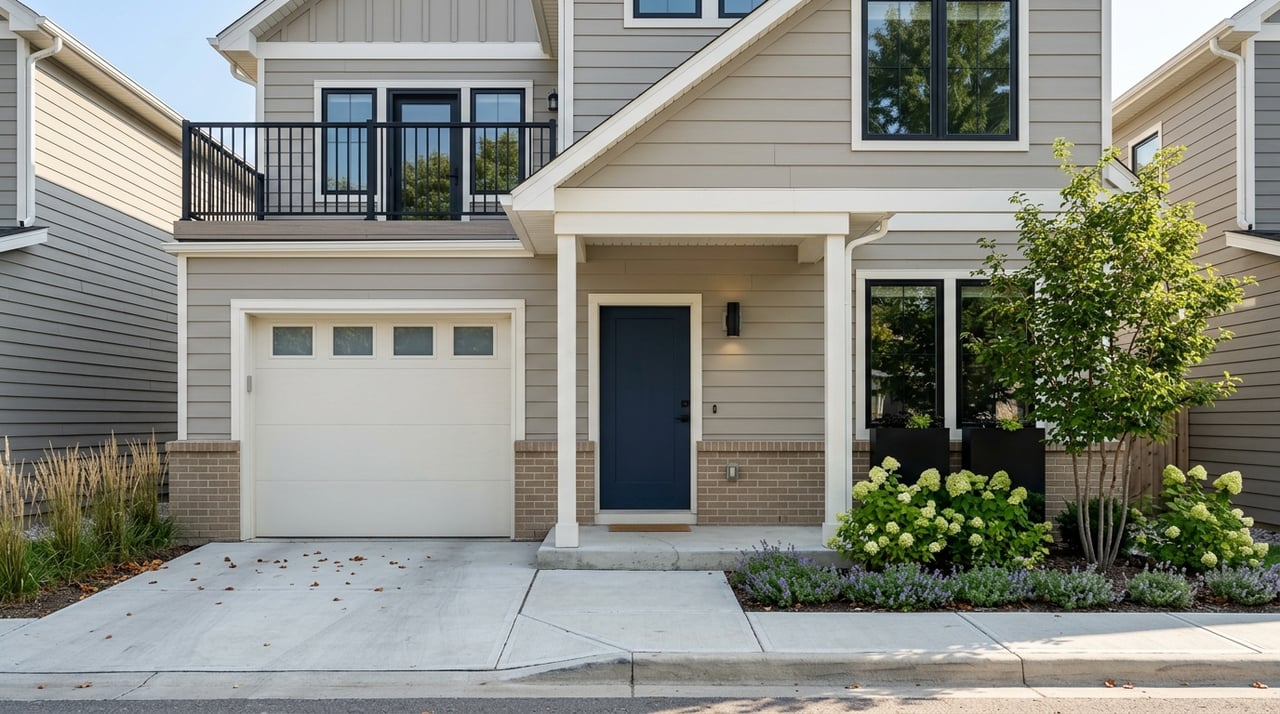
Selling A Condo Or Townhome In St Louis Park
July 16, 2026
If you are selling a condo or townhome in St. Louis Park, you are not just selling your unit. You are also selling the lifestyle, monthly ownership picture, and condition of the association behind it. That can feel like a lot to manage, especially when buyers are comparing your home to both resale listings and newer nearby options. The good news is that with the right prep, pricing, and presentation, you can stand out for the right reasons. Let’s dive in.
St. Louis Park remains a fairly active seller’s market, but attached-home sellers need to be strategic. In April 2026, the local median sales price was $399,450, average time on market was 39 days, supply sat at 2.0 months, and sellers received 100.5% of original list price on average.
That tells you something important. Buyers are still paying close to asking when a home feels well-priced and move-in ready, but they are taking time to compare options. For condos and townhomes, that comparison often goes beyond finishes and square footage.
In St. Louis Park, condo and townhome buyers often compare your home to similar resales, newer multifamily product, and mixed-use developments nearby. The city reported 1,645 multifamily units completed in the prior two years, with 298 under construction and 478 approved as of the Q4 2025 development update.
That steady pipeline matters because newer buildings can offer modern finishes, updated mechanical systems, parking advantages, or newer shared amenities. If your home is in an older building or association, your pricing and marketing need to reflect the full value story clearly.
Today’s buyers are often weighing lifestyle benefits just as heavily as interior size. Research from 2025 found that many buyers are willing to accept a smaller home if it gives them better access to walkability, trails, dining, or nature.
That is especially relevant in St. Louis Park. The city’s Connect the Park program reports 26.16 completed bikeway miles, 10.68 completed sidewalk miles, and 4.74 completed trail miles. The city is also planning around three METRO Green Line Extension stations and West Excelsior Boulevard, with the Green Line Extension expected to open in 2027.
For your sale, that means features like a balcony, patio, garage stall, storage, bike access, trail connections, or proximity to transit may deserve a bigger role in your marketing than you think.
Many condos and townhomes in Minnesota are part of a common interest community, or CIC. That means buyers are not only evaluating your home, but also the association’s rules, finances, maintenance obligations, and long-term health.
Under Minnesota law, sellers in a CIC resale must provide association documents and a resale disclosure certificate. That certificate must be dated no more than 90 days before the purchase agreement or conveyance, whichever comes first. The association must provide it within 10 days after request and may charge a reasonable fee.
This is one of the biggest reasons condo and townhome sales can feel different from detached home sales. If your paperwork is not ready early, you may slow down the process or create avoidable buyer concern.
The resale disclosure certificate answers many of the questions buyers care about most. It includes details about periodic assessments, special assessments, unpaid charges, approved but not yet assessed extraordinary expenditures, reserve balances, budget and financial statements, insurance coverage, and pending lawsuits or judgments.
In simple terms, buyers want to know what the monthly cost really means and whether any major financial surprises may be ahead. If your association is well organized and your documents are ready, you can help create confidence early.
Along with HOA documents, Minnesota requires sellers to make a written disclosure of all material facts known to them that could adversely and significantly affect a buyer’s use and enjoyment of the property or intended use.
Minnesota also requires radon disclosure for residential real property, including units in common interest communities. If the property was built before 1978, federal lead-based paint disclosure rules may also apply.
The practical takeaway is simple. Your sale is not only about how nice the kitchen looks. It is also about being organized, transparent, and ready for buyer due diligence.
One of the biggest mistakes attached-home sellers make is pricing based only on interior finishes or bedroom count. In St. Louis Park, buyers are usually comparing homes based on building type, age, dues, parking, storage, and amenities just as much as the inside of the unit.
That means the most useful comparison is often not condo versus house. It is similar building, similar monthly dues, similar parking setup, similar reserve strength, and similar amenity package.
Newer buildings often command stronger pricing when they offer features buyers value today. That may include modern finishes, elevator access, heated or underground parking, bike facilities, EV charging, and convenient access to trails or transit.
If your home is in a newer building, your pricing can often lean into convenience, efficiency, and lower perceived maintenance risk. Buyers may pay more when the ownership experience feels simple and current.
Older buildings often need a slightly different strategy. Even when the unit itself is updated, buyers may look closely at reserves, insurance, dues, deferred maintenance, and upcoming capital projects.
If dues are higher, buyers usually want to understand why. If dues are lower, they may wonder whether the association is underfunded. In this kind of sale, value is often best framed around total monthly cost, usable space, location, parking, outdoor space, or other practical advantages.
Staging can be especially important when you are selling a condo or townhome. According to 2025 research, 83% of buyers’ agents said staging made it easier for buyers to visualize a property as a future home, 49% of sellers’ agents said staging reduced time on market, and 29% said staging led to a 1% to 10% increase in the dollar value offered.
That does not mean you need to overdo it. In attached homes, the goal is usually to make the space feel efficient, open, and easy to live in.
For most condos and townhomes, buyers respond best when the layout feels clear and uncluttered. A few smart choices can make a big difference:
Smaller homes do not need to feel limited. They need to feel intentional.
Buyers looking at condos and townhomes in St. Louis Park often come in with a more detailed checklist than detached-home buyers. Many of their questions come directly from the association documents.
You should expect questions such as:
If your home is in an older building, buyers may also ask about radon disclosure and, when applicable, lead-based paint disclosure. The smoother your answers and paperwork, the smoother the sale usually feels.
The best time to prepare for a condo or townhome sale is before you hit the market. Early prep gives you time to request documents, review what buyers will see, and position your home with fewer surprises.
A strong pre-list plan often includes:
This kind of preparation helps you market your home with clarity and confidence.
St. Louis Park offers real advantages for condo and townhome sellers. Buyers are drawn to low-maintenance living, growing trail and sidewalk connections, and future transit access. At the same time, they are comparing older and newer options carefully.
That is why selling well here is about more than putting a unit online and hoping for the best. It takes thoughtful pricing, clean presentation, document readiness, and a clear understanding of how your home fits into the local market.
If you are thinking about selling a condo or townhome in St. Louis Park, working with a team that understands both resale strategy and how buyers evaluate attached homes can help you move forward with more confidence. When you are ready to talk through timing, pricing, and preparation, connect with The Distad Team.
Stay up to date on the latest real estate trends.

Ready to get started? Reach out today and take the first step toward achieving your real estate goals!