Lakeside Living In Minnetonka: What Buyers Should Know
July 2, 2026
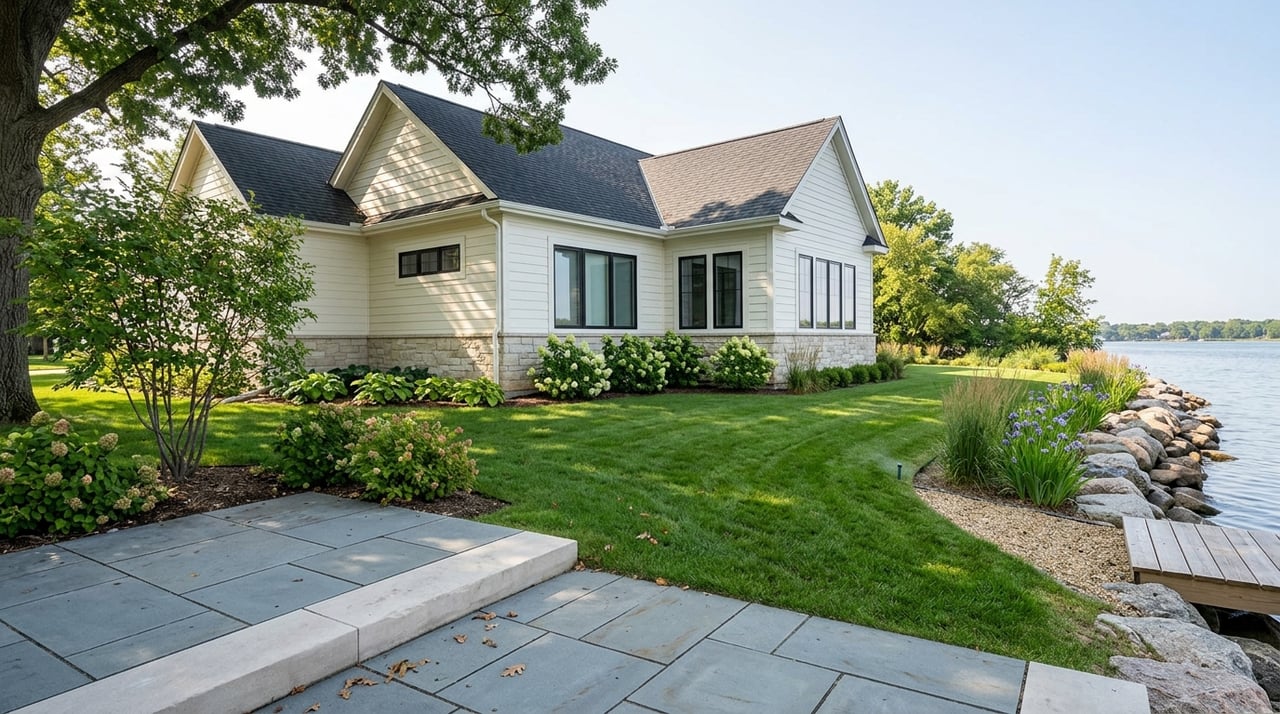
If you picture lakeside living in Minnetonka as one simple lifestyle, you may be surprised by how many versions of it exist. Some buyers want direct shoreline on Lake Minnetonka, while others want trail access, beach proximity, or a home near smaller lakes and parkland without the full demands of waterfront ownership. This guide will help you understand what lakeside living in Minnetonka can really look like, what practical details matter most, and how to narrow your search with confidence. Let’s dive in.
Minnetonka is a fully developed suburban community of more than 53,000 residents about eight miles west of Minneapolis. According to the city, its natural setting is a defining part of daily life, with trees, wetlands, prairies, and diverse water features throughout the community.
More than 20% of Minnetonka’s land area is wetlands and lakes. The city also maintains five community parks, 44 neighborhood parks, more than 100 miles of trails and sidewalks, and about 1,000 acres of natural public open space. For you as a buyer, that means water is often part of the setting even when a home is not directly on the shoreline.
Lake Minnetonka is the best-known water feature in the area, but it is not a single, uniform lake experience. The Minnesota DNR says it covers more than 14,000 acres and is the largest lake in the Twin Cities metro, while the Lake Minnetonka Conservation District describes it as a system of 42 bays with different depths, water quality, and shoreline conditions.
That matters because one bay can feel very different from another. Your privacy, water depth, views, boating patterns, and day-to-day activity can all shift depending on where a property sits.
Minnetonka also has a strong network of smaller lake and park settings. The city highlights places like Lone Lake Park and Preserve, Glen Lake Park, Shady Oak Beach, and Libbs Lake Beach as important recreation areas.
This creates a wider range of options for buyers. You may find direct lakeshore homes, homes near public beach amenities, or neighborhood properties where the lake feel comes from nearby trails, park access, and open space rather than private shoreline.
Minnetonka’s housing stock is broad, which is good news if you want a lake-oriented lifestyle but not necessarily a large waterfront estate. The city’s climate action plan says 54% of housing units are single-family detached and 35% are multifamily, with the remainder made up of townhomes, duplexes, triplexes, and quad units.
In practical terms, that means your search can include:
For many buyers, that flexibility is one of Minnetonka’s biggest strengths. You can often choose the kind of lifestyle you want first, then match it to the property type that fits your budget and maintenance preferences.
Some lake-oriented parts of Minnetonka are centered as much on public amenities as on the water itself. Glen Lake Park, for example, includes athletic fields, play equipment, and a skate park, making it more of an everyday community hub than a purely residential lakeshore setting.
If you want walkable recreation and activity nearby, this kind of setting may be appealing. If you want a quieter environment, you may prefer a home farther from public gathering areas.
Lone Lake Park and Preserve has shoreline and dock views plus nearly two miles of formal trails. The separate mountain-bike trail is also open to hikers, trail runners, and snowshoers in appropriate seasons.
That gives some parts of Minnetonka a more natural, trail-oriented identity. For buyers who value outdoor access without needing large-lake boating activity right outside their door, this can be a strong fit.
Shady Oak Beach and Libbs Lake Beach show how different small-lake settings can be. Shady Oak Beach is a spring-fed public beach with sandy shoreline, lifeguards, and rentals, while Libbs Lake Beach is a smaller neighborhood beach with no lifeguards and very limited parking.
Those details affect how a nearby area may feel in season. A home near a destination beach may feel more active, while a smaller beach setting may feel more local and low-key.
Public access is a major part of the Lake Minnetonka experience. The Lake Minnetonka Conservation District notes that the lake includes multiple public launches, parking areas, toilets, short-term docking areas, and public beaches across different bays.
That can be a real advantage if you want to enjoy the lake without owning private shoreline. It also means homes near launches, beaches, and docking points may experience more seasonal activity than homes on quieter stretches.
Minnetonka’s trail system is another major lifestyle feature. The city says it has more than 100 miles of trails and sidewalks, with about 81 miles maintained year-round, plus two regional trails passing through the city.
Three Rivers Park District says the Lake Minnetonka Regional Trail is 15.8 miles long and is plowed in Minnetonka-area communities during winter. If you enjoy walking, biking, or year-round outdoor activity, trail access can be just as valuable as water access when choosing the right home.
Lake Minnetonka supports year-round recreation. The DNR says the lake is used for fishing and other activities across the seasons, and the Lake Minnetonka Conservation District notes that winter use can include ice fishing, skating, and snowmobiling.
Still, winter lake use comes with an important reality. Ice thickness can vary dramatically and is never guaranteed to be safe, so buyers should think of winter access as a seasonal benefit that always depends on current conditions.
Other Minnetonka amenities also extend the outdoor season. Shady Oak Beach is a warm-weather draw, while Lone Lake Park’s trail system supports hiking, trail running, and snowshoeing when conditions allow.
If you are considering direct shoreline ownership, regulations are part of the package. Minnesota shoreland standards include minimum setbacks, height limits, impervious surface limits, lot requirements, vegetation removal restrictions, and land-alteration rules, and these standards are administered locally.
That means future plans for additions, landscaping, hardscaping, or shoreline changes may require more review than you expect. If a home seems perfect only if you can significantly change the site, it is smart to investigate those limits early.
Minnetonka works with four separate watershed districts to govern and protect water resources. Depending on the property and the project, shoreline work may involve more than one agency.
This is one reason lake property deserves careful due diligence. A project that seems straightforward on paper may involve additional approvals, timing, or design adjustments.
On Lake Minnetonka, the Lake Minnetonka Conservation District says docks, structures, and watercraft must fit within an authorized Dock Use Area. It also notes that shoreline characteristics, water depth, and legal encumbrances can affect what is allowed.
Water depth can vary significantly between bays and even within the same bay. If boating is central to your lifestyle, the exact shoreline setup matters just as much as the address.
Lake levels change seasonally, and the Lake Minnetonka Conservation District says high-water declarations can trigger stricter minimum-wake rules. Low-water conditions can also lead to temporary dock extensions and later removal.
For buyers, this is a reminder that waterfront living is dynamic. The experience can shift from season to season based on water conditions, not just property features.
Aquatic invasive species prevention is another practical part of ownership and lake use. The DNR advises boaters to clean, drain, and dry watercraft and equipment, and docks or lifts moved between waters should dry for 21 days.
If you plan to boat often, these steps become part of your normal routine. They are important not only for compliance but also for protecting the lakes that make Minnetonka so appealing.
Minnetonka’s climate action plan says hotter summers and more intense precipitation are already part of the local picture. The city also notes that residential water use triples in summer, mostly because of outdoor irrigation.
For lake-oriented homes, that makes drainage, irrigation, and shoreline landscaping more important than they might be in other settings. A beautiful lot can come with extra upkeep, and thoughtful site design can make a meaningful difference over time.
The best way to think about lakeside living in Minnetonka is as a spectrum. At one end, you have direct waterfront on Lake Minnetonka. In the middle, you have homes near smaller lakes, beaches, and parks. At the other end, you have trail-connected neighborhoods where water enhances the setting even if it is not the main feature.
As you compare homes, it helps to ask yourself a few simple questions:
When you answer those questions first, your home search becomes much clearer. You stop shopping for a generic “lake home” and start looking for the version of Minnetonka lake living that actually matches your goals.
Minnetonka offers a rare mix of water, parks, trails, and housing variety within the Twin Cities. If you want help sorting through shoreline options, near-lake neighborhoods, or homes that balance lifestyle with long-term practicality, The Distad Team can help you make a smart move.
Stay up to date on the latest real estate trends.

Ready to get started? Reach out today and take the first step toward achieving your real estate goals!