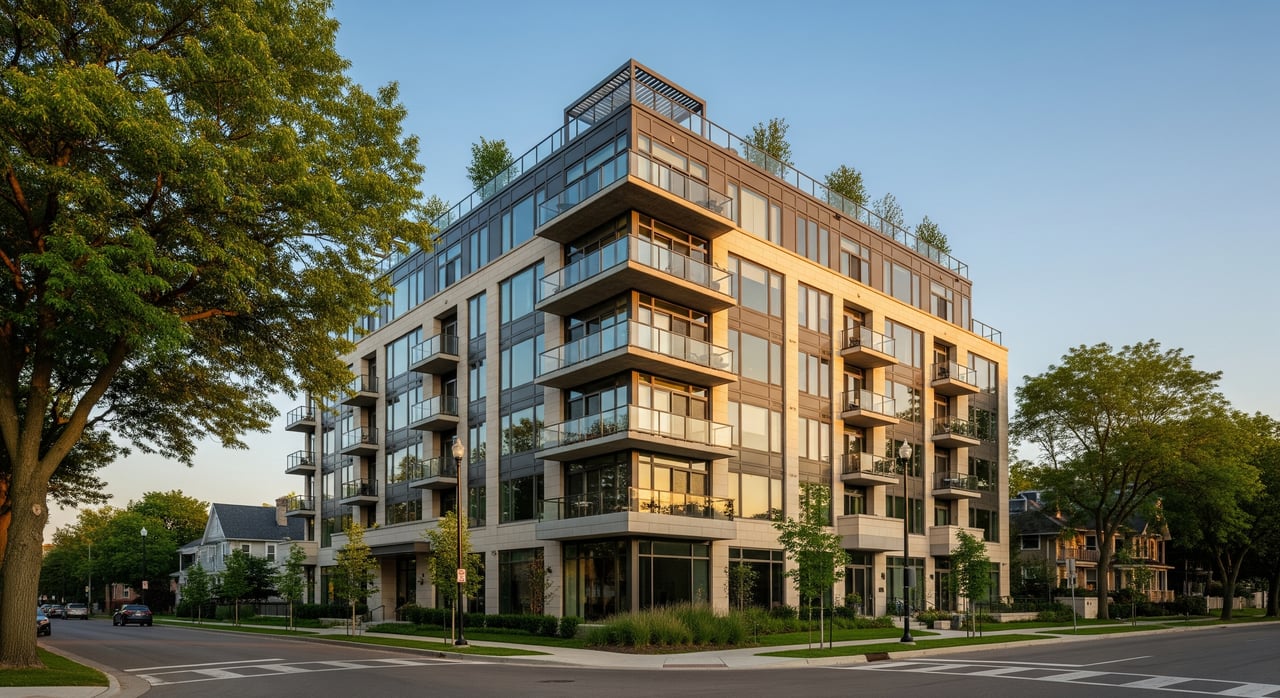
Is A West End‑Area Condo A Good Rental Bet?
October 16, 2025
Thinking about buying a West End‑area condo to rent out? You are not alone. With walkable amenities and quick access to downtown Minneapolis, St. Louis Park’s West End checks many boxes for renters. The key is understanding the numbers, the local rules, and the condo‑specific risks before you write an offer. In this guide, you will get a clear look at demand drivers, a simple pro forma, and a practical checklist to help you decide with confidence. Let’s dive in.
The West End is a lively, mixed‑use hub with shopping, dining, theaters, and hotels, all near I‑394 and Highway 100 and about five miles from downtown Minneapolis. That mix supports steady renter interest from people who want convenience without downtown pricing. Explore the area’s amenities on The Shops at West End visitor page.
Rents and prices can make the gross math look appealing. Zillow’s local rental trends show average monthly asks roughly in the high 1,700s to about 1,950, depending on timing and unit size. You can review the latest data on Zillow’s St. Louis Park rental trends. On the price side, St. Louis Park condos often list lower than single‑family homes, with recent listings showing examples in the low 200Ks. See current condos on Redfin’s St. Louis Park page.
Before you buy, build a realistic pro forma that includes:
HOA dues deserve special attention. Minnesota’s median condo and HOA fees trend higher than the national median, so they can turn a solid gross yield into a modest net return. Review recent data on U.S. Census reporting about condo and HOA fees.
Here is a simple, illustrative scenario to show how costs stack up. Use building‑specific comps and documents for your actual analysis.
Using these sample inputs, gross yield is about 10.6 percent. After HOA, taxes, and a mid‑range 5,000 for other costs, net operating income is roughly 11,400, or about a 5.3 percent net yield before financing. Investment‑property loans often require 20 to 25 percent down and carry higher rates than primary homes, so your cash‑on‑cash return will depend on your mortgage terms. For current investor loan details, compare options on Bankrate’s investment property rates overview.
St. Louis Park requires rental licensing and landlord training. The city also requires a 30‑day written pre‑eviction notice before filing for nonpayment, which lengthens timelines and can affect cash flow planning. Review requirements on the city’s rental license and training page and the Minnesota landlord‑tenant statutes, Chapter 504B.
Many condominium associations restrict rentals. Common rules include rental caps, minimum lease terms, owner‑occupancy periods, or short‑term rental bans. Always check the declaration, bylaws, and rules before you buy. For background on how associations approach rental policies, see CAI Minnesota’s guidance. Whether short‑term rentals are possible depends on both city licensing and your association’s rules, so verify both.
Insurance costs have risen in many condo communities. Confirm what the association’s master policy covers and what your HO‑6 policy must cover. Ask for the master policy, the reserve study, and recent meeting minutes to check for special assessments.
Use this list to keep your analysis tight and thorough:
A West End‑area condo can be a sensible rental if you buy the right unit, at the right price, with clear HOA rules and healthy reserves. The location’s walkability and fast commute support demand, but HOA dues, taxes, financing costs, and local notice rules will determine your true net return. If you want help sourcing comps, pressure‑testing a pro forma, and navigating HOA documents, connect with The Distad Team. Our family‑run team blends local brokerage and development experience to help you make a confident, data‑driven decision.
Stay up to date on the latest real estate trends.

Ready to get started? Reach out today and take the first step toward achieving your real estate goals!