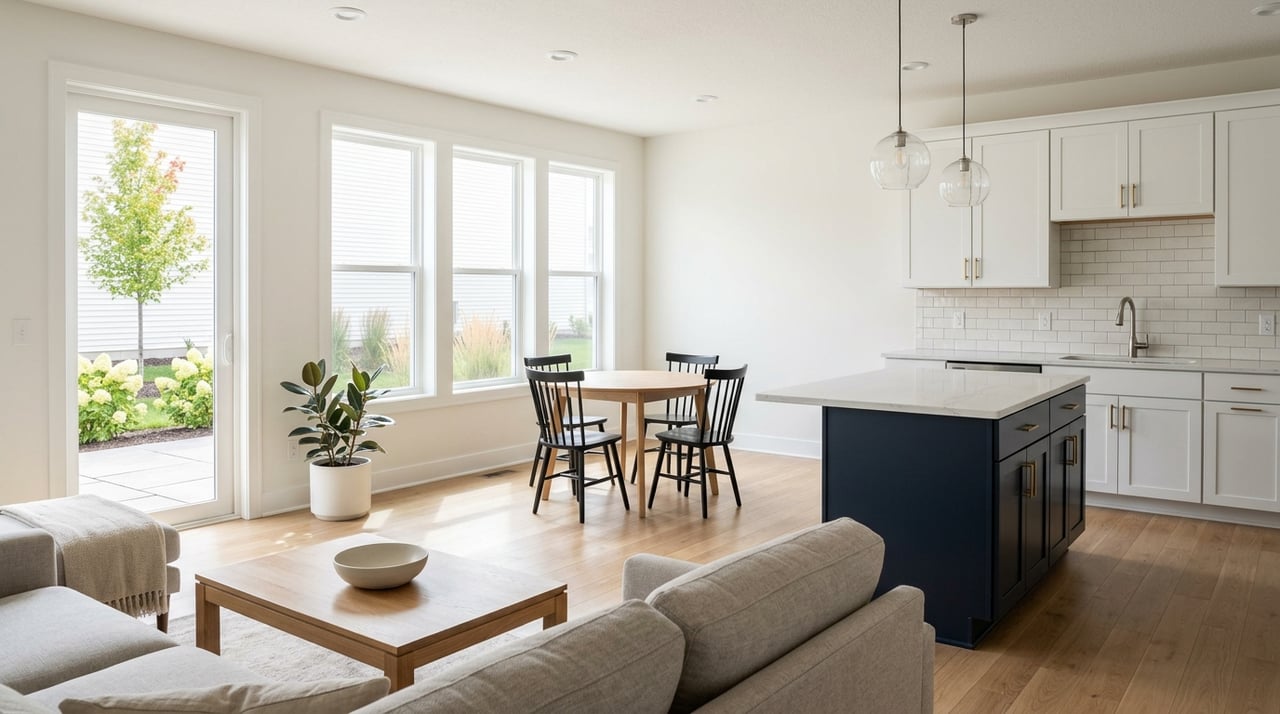
Getting Your Plymouth Home Ready For The Market
July 9, 2026
If you are thinking about selling your Plymouth home, preparation can make a real difference. Buyers in this market are often comparing your home to polished, move-in-ready listings, and they notice presentation, upkeep, and convenience right away. The good news is that you do not need to overhaul everything to make a strong impression. With the right plan, you can focus on the updates that matter most and bring your home to market with confidence. Let’s dive in.
Plymouth is a large, mostly owner-occupied suburb about 12 miles northwest of Minneapolis. The city had an estimated 78,942 residents in 2025, and 75.1% of homes were owner-occupied. That kind of market often comes with buyers who pay close attention to condition, curb appeal, and how easily they can picture themselves settling in.
Plymouth also offers everyday features that buyers tend to value, including 188 miles of trails and 1,834 acres of park land. Along with a mean commute time of 21.7 minutes and multiple Wayzata Public Schools campuses located in Plymouth, these details help shape buyer expectations around convenience and lifestyle. When your home is clean, well cared for, and easy to understand, it is easier for buyers to connect the property to the life they want.
In April 2026, Plymouth recorded 187 new listings, 73 closed sales, 178 active listings, and 2.0 months of supply. The median sales price was $525,000, homes averaged 49 days on market, and sellers received 100.3% of original list price on average. Those numbers point to a market where well-positioned homes can still perform strongly.
The details matter by property type. Single-family homes posted a median sales price of $770,000, 61 days on market, and 2.1 months of supply. Attached homes, using the local condo and townhome segment as the closest proxy, showed a median price of $500,000, 83 days on market, and 2.9 months of supply.
What does that mean for you? Buyers still respond to quality listings, but they are not giving every home a pass. Strong preparation, smart pricing, and polished marketing can help your property stand out from similar options.
Before you think about major projects, focus on the basics buyers notice first. National staging research found that 83% of buyers' agents said staging makes it easier for buyers to visualize a property as a future home. That is a strong reminder that presentation is not just cosmetic. It helps buyers feel more certain.
The most effective first steps are usually:
Buyers also care a lot about how a home shows online. In the same staging research, buyers' agents said photos were especially important to clients, along with physical staging, videos, and virtual tours. If your home looks crisp, bright, and well maintained in its first online impression, you are starting from a better position.
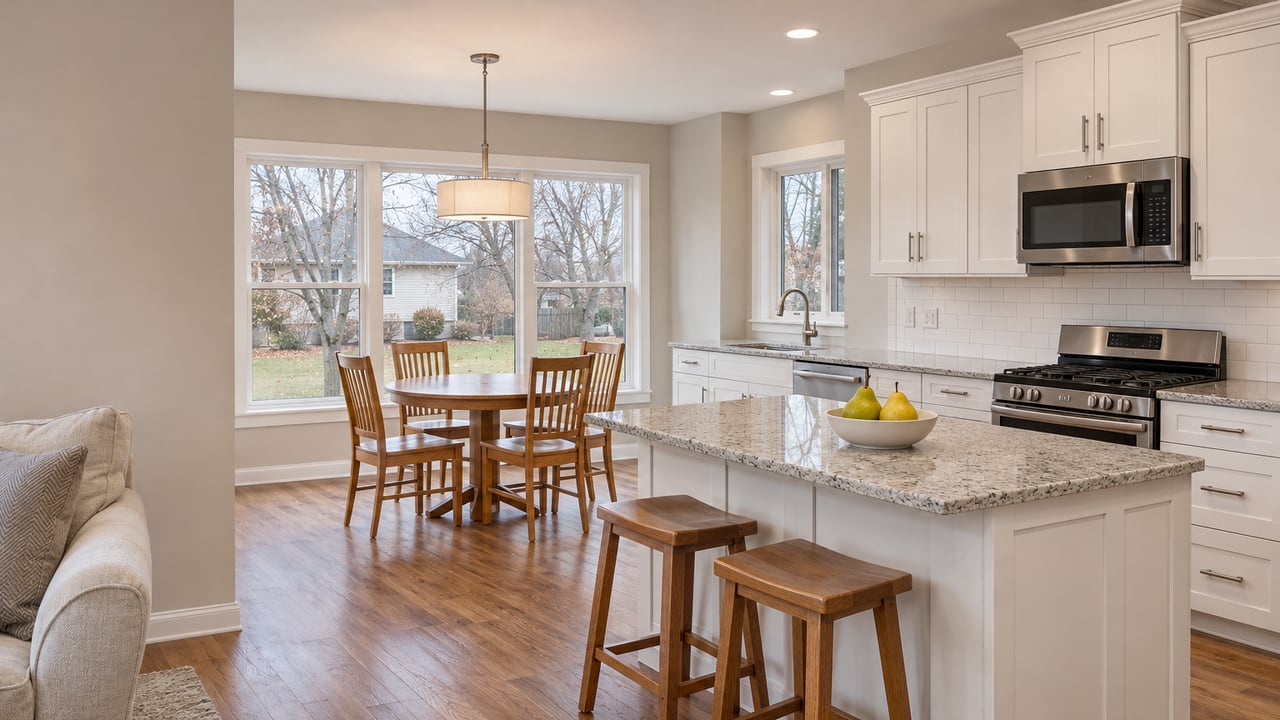
Decluttering is one of the simplest ways to make your Plymouth home feel larger and more inviting. Clear surfaces in kitchens, bathrooms, mudrooms, and family rooms so buyers can focus on the space instead of your stuff. Trim down furniture where needed so rooms feel easy to walk through and easy to understand.
Storage matters too. Buyers often open closets, pantries, and garage doors. Neat, partially filled storage areas suggest your home has enough room, while packed shelves can make the same spaces feel smaller.
A truly clean home sends a message that the property has been cared for. That matters in a market where buyers may already be comparing your home to listings that look almost model-ready. Even small issues like dusty vents, dingy grout, water spots, or pet odors can distract from the features you want buyers to notice.
Pay extra attention to kitchens, bathrooms, floors, windows, and entry areas. For many buyers, cleanliness shapes their opinion before they have even finished the showing. It is one of the clearest signals of overall upkeep.
If you plan to sell within the next year, broad renovations may not be the best use of time or money. The 2025 Remodeling Impact Report suggests that smaller, visible upgrades often make more sense than major remodels when a sale is likely within a year. In other words, think selective improvement, not total reinvention.
Projects commonly recommended before selling included painting the entire home, painting a single room, and replacing roofing where needed. The same report showed strong cost recovery for certain targeted improvements, including a new steel front door, closet renovation, a new fiberglass front door, and new vinyl windows.
By contrast, full kitchen and bath renovations offered lower estimated cost recovery. That does not mean those rooms do not matter. It means you may get better results from cleaning, paint, lighting, hardware, and repair work than from starting a full remodel right before listing.
Buyers tend to react most strongly to what they can see right away. Fresh paint, repaired trim, working doors, clean flooring, and updated light fixtures can all help create a more move-in-ready feel. If a larger item like the roof is showing obvious wear, that may deserve attention before you go live.
This is where a practical plan matters. The goal is not to make your home brand new. The goal is to remove hesitation and help buyers feel that the home has been thoughtfully maintained.
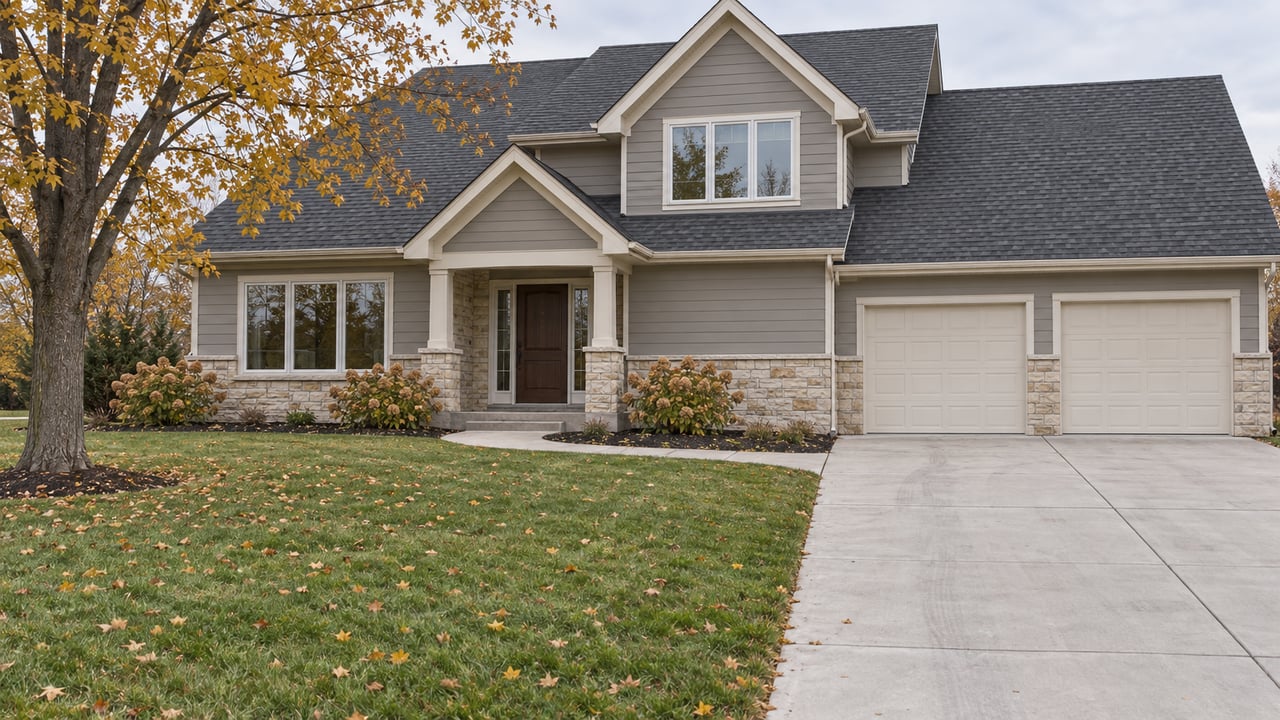
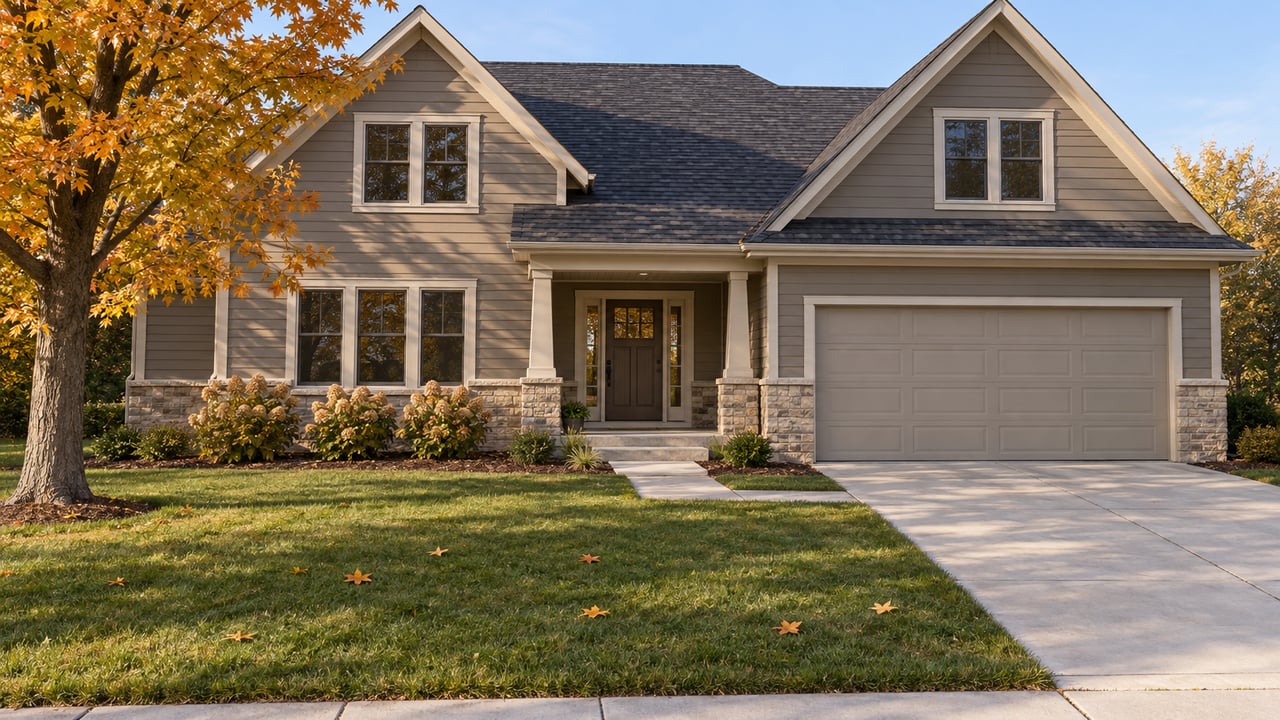
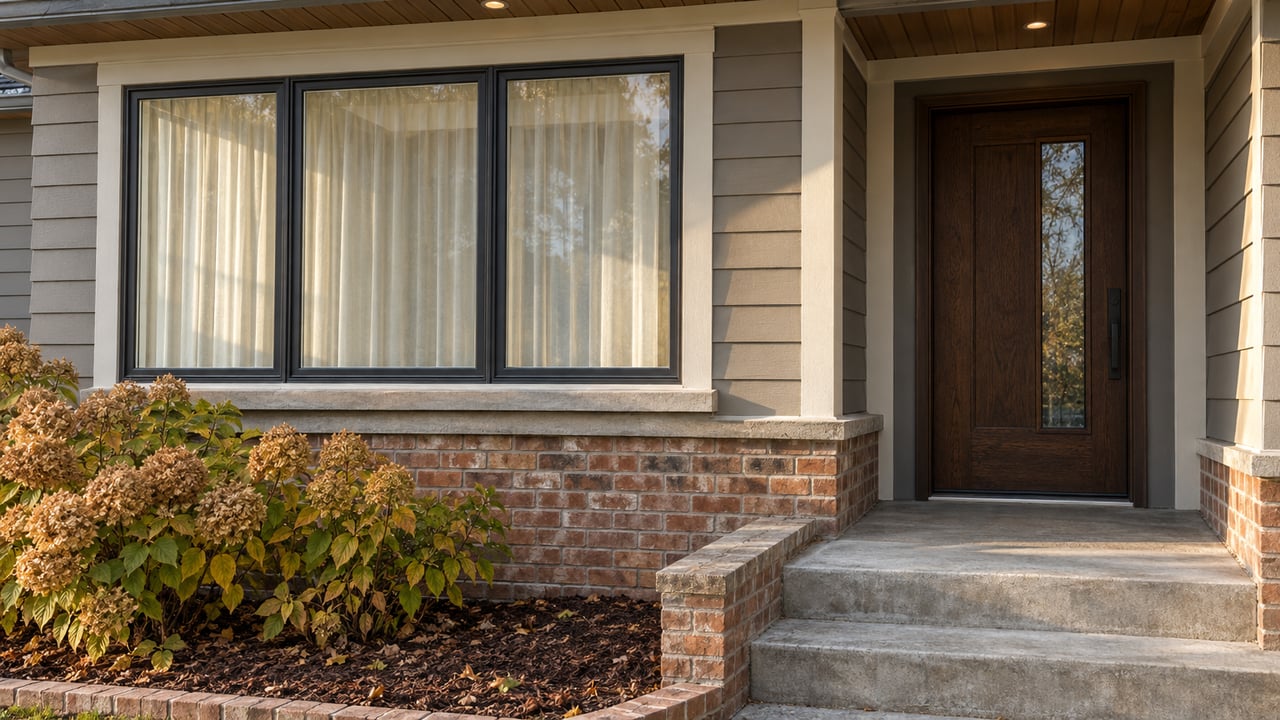
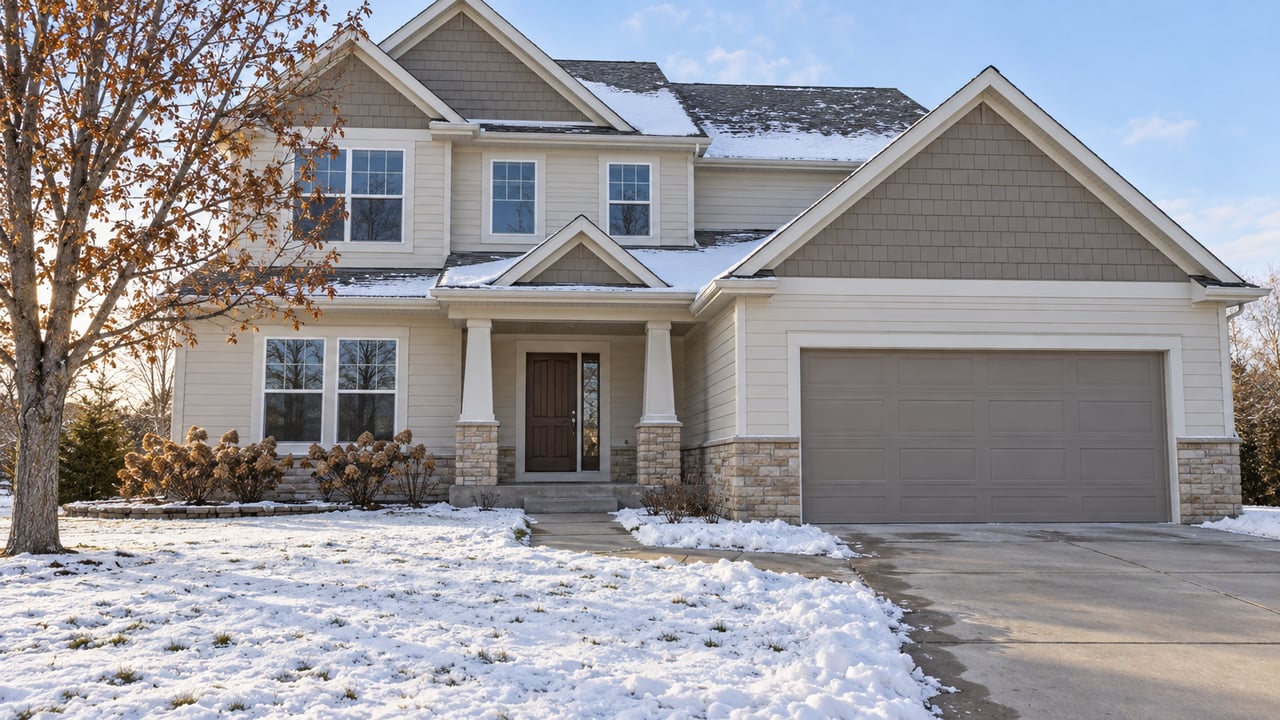
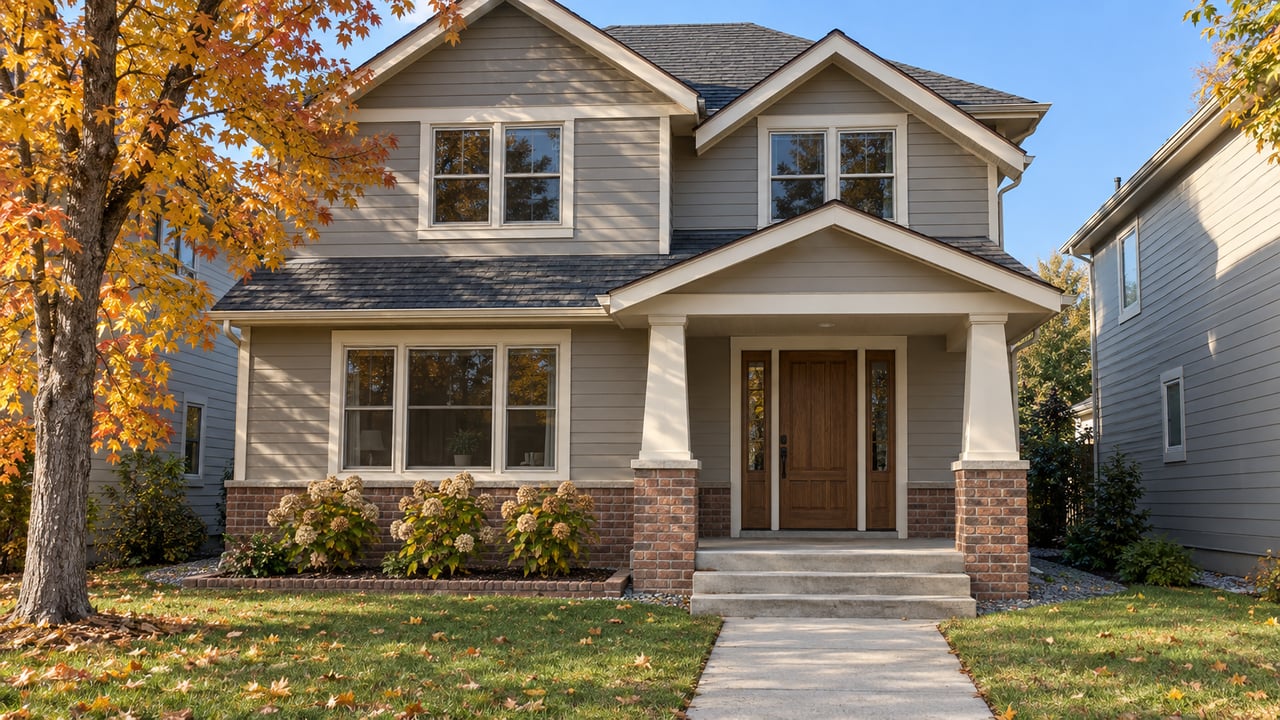
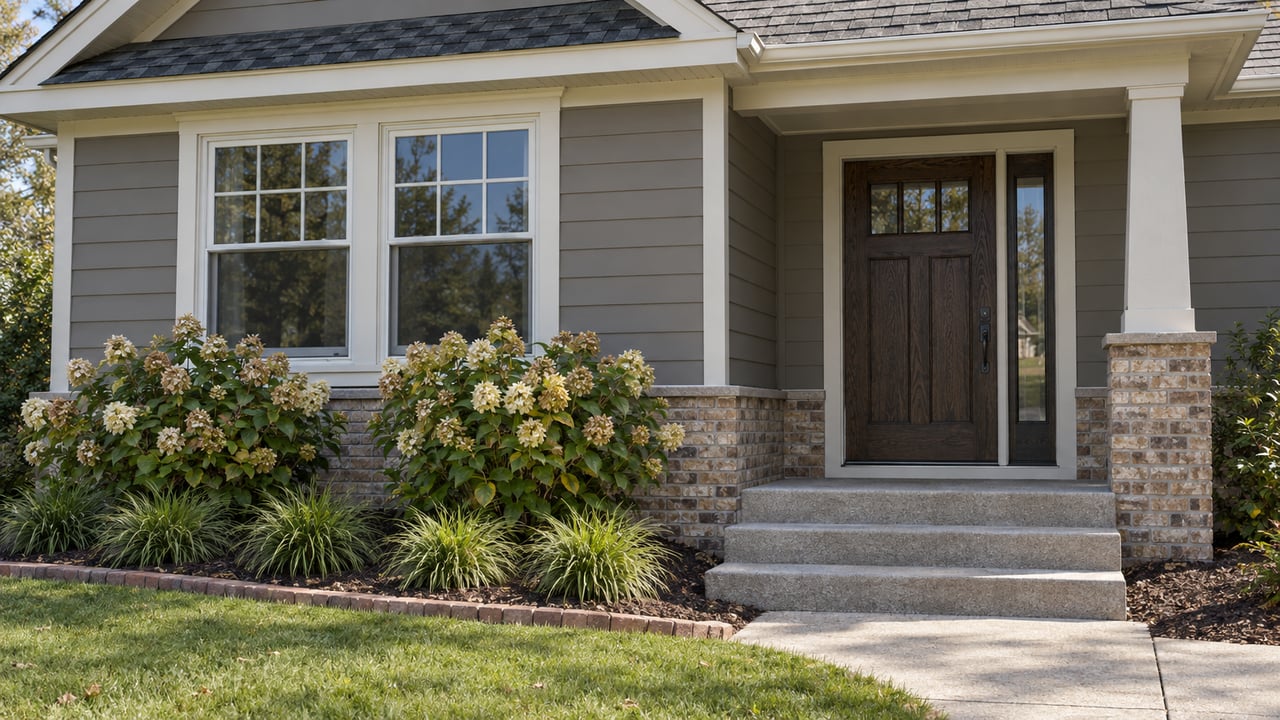
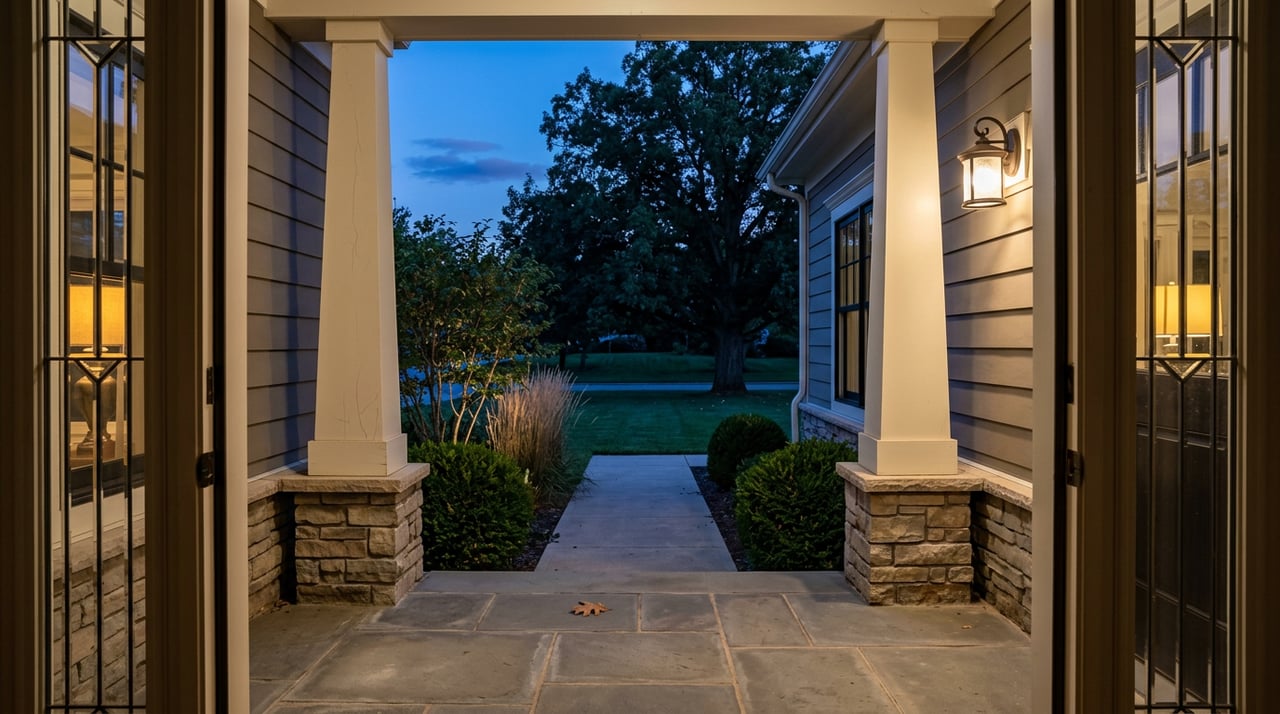
Detached homes in Plymouth often invite closer scrutiny outside as well as inside. Buyers may look carefully at rooflines, siding, landscaping, driveways, front entries, and any visible maintenance issues. Exterior condition can shape the showing before a buyer even walks through the door.
For single-family sellers, give extra attention to:
Because Plymouth has a strong suburban identity and a large parks-and-trails system, buyers are often drawn to homes that feel well kept and easy to enjoy right away. A tidy exterior supports that impression.
Attached homes should be presented a little differently. In the Twin Cities, townhomes have taken a larger share of closed sales than their historical average, with appeal tied in part to affordability, fewer renovation needs, low-maintenance living, and downsizing. That makes ease of ownership an important part of the story.
If you are selling a townhome or condo in Plymouth, focus on clean finishes, simple styling, and polished photography. Highlight the parts of the home that feel efficient, comfortable, and easy to maintain. Shared or common areas should also look tidy and well cared for when possible, since they contribute to the overall first impression.
If your move is still six to twelve months away, starting early can give you more options. Timing research for 2026 found that many sellers begin thinking about a move three to four months before listing, and late May tends to be a strong national window. Minneapolis was also identified among Midwestern markets that peak in late May.
For Plymouth sellers with flexibility, that points to a smart rhythm. Use the earlier part of the year to sort, repair, clean, and plan staging and media. Then, if your timeline allows, you can enter the market during a stronger spring window with your home fully ready.
One useful way to prepare is to view your home the way a buyer will. Buyers are often comparing several homes in a short period, both online and in person. National research also found that 58% of respondents said buyers were disappointed when homes did not match TV-show expectations.
That does not mean your home needs to look unreal. It means it should feel cared for, bright, and honest in person and in photos. When your listing matches or exceeds the promise of its marketing, buyers are more likely to feel confident moving forward.
In a market where sellers received 100.3% of original list price on average in April 2026, good preparation can support stronger results. A well-prepped home helps justify pricing, strengthens early interest, and can reduce the number of objections buyers raise during showings. It also gives your marketing a better foundation from day one.
That is especially important in a place like Plymouth, where buyers may be balancing price, condition, commute, and neighborhood amenities all at once. If your home feels easy to choose, you put yourself in a better position.
If you are getting your Plymouth home ready for the market, a thoughtful plan can help you spend wisely and launch with confidence. The right guidance can make it easier to decide what to fix, what to leave alone, and how to present your home in a way that connects with today’s buyers. To talk through your timing and next steps, reach out to The Distad Team.
Stay up to date on the latest real estate trends.

Ready to get started? Reach out today and take the first step toward achieving your real estate goals!