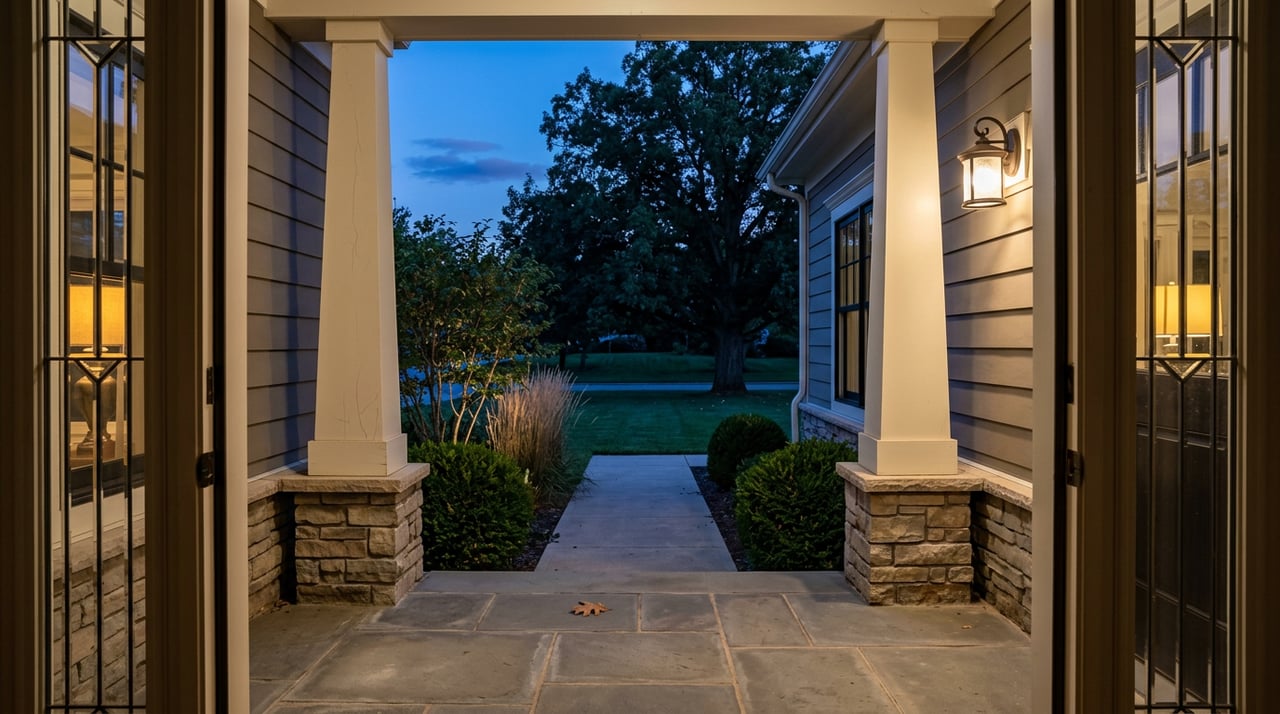
Thinking about a move in Eagan and torn between building new or buying an existing home? You are not alone. Move-up buyers often juggle budgets, timelines, and the desire for the right neighborhood fit. In this guide, you will learn the true costs, financing differences, build timelines, warranty coverage, and lot options specific to Eagan so you can make a confident choice. Let’s dive in.
New construction vs. existing homes
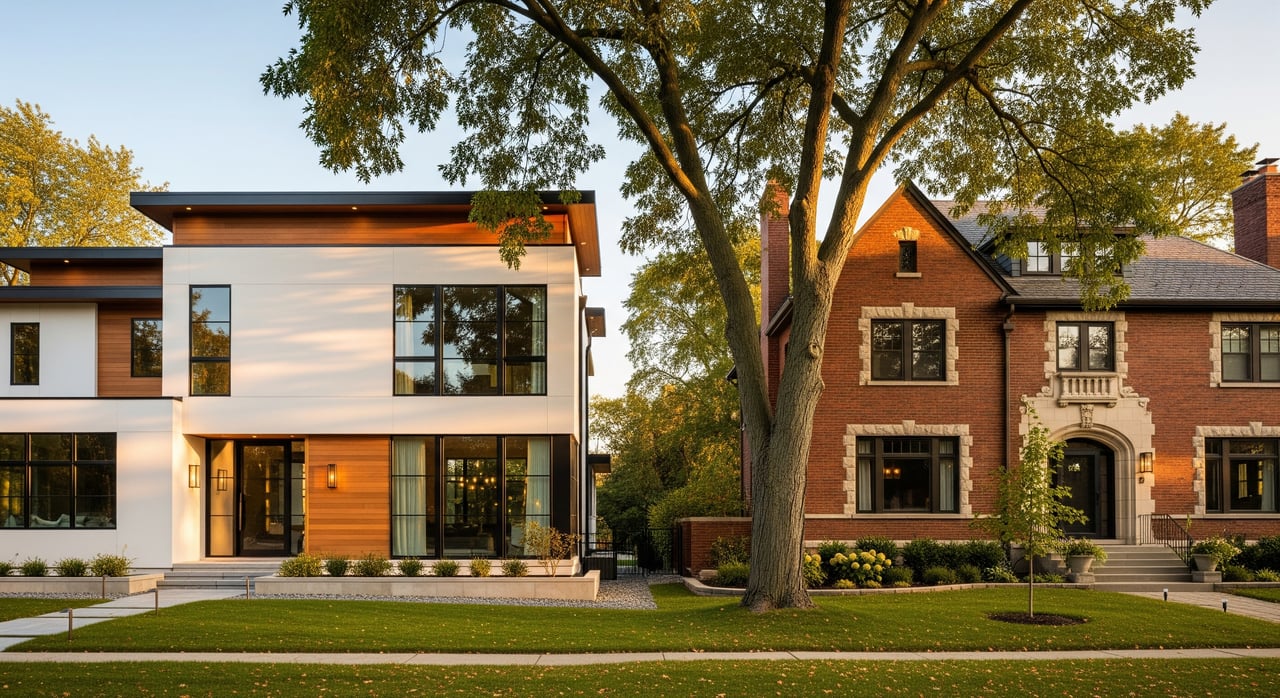
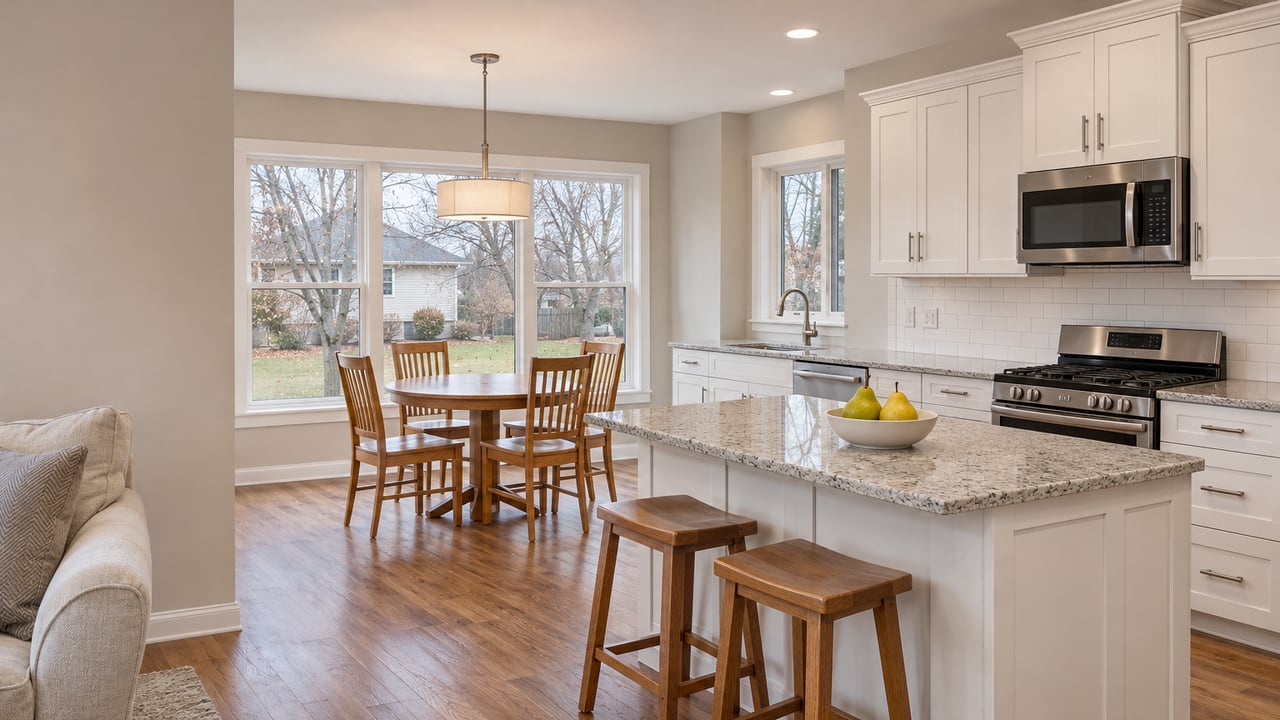
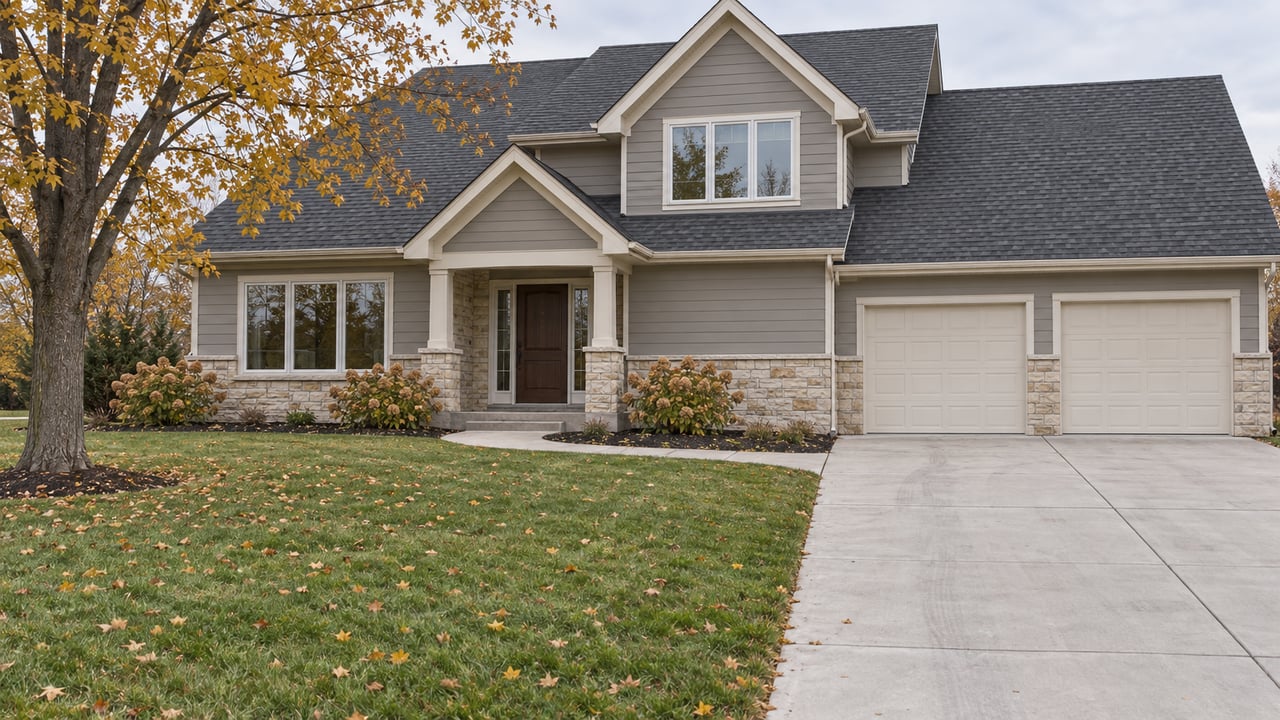
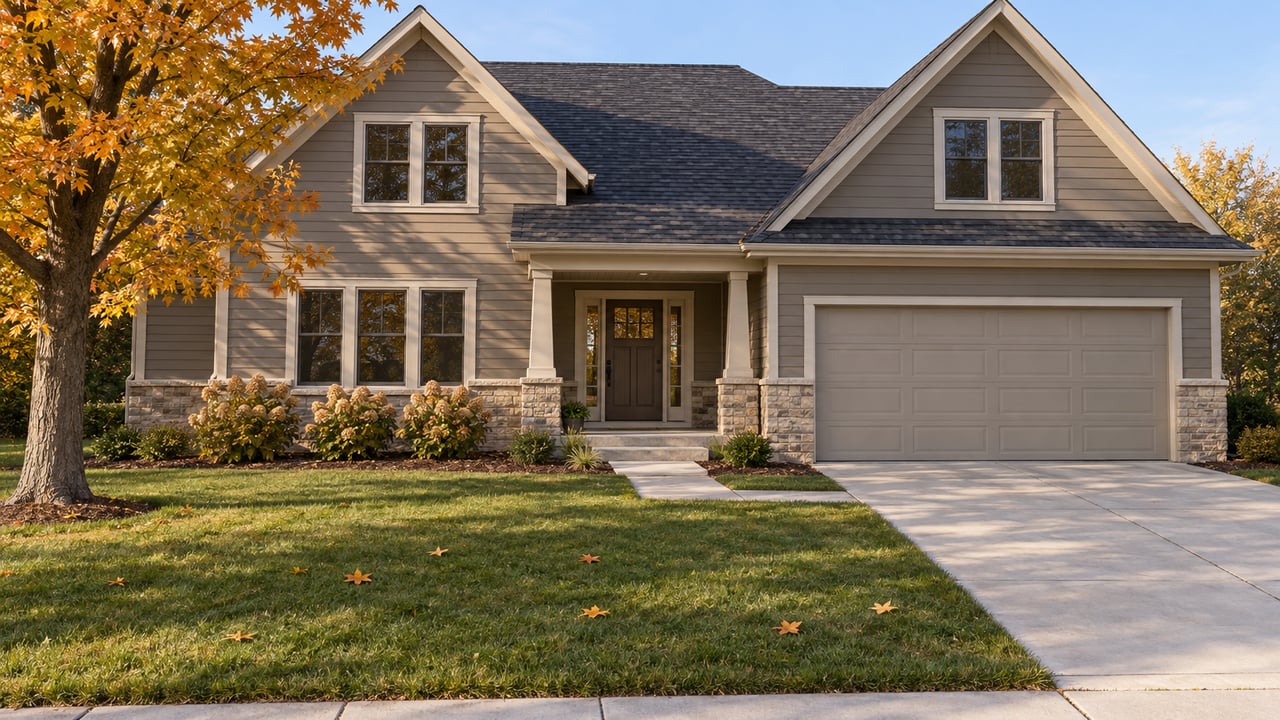
Choosing new construction gives you modern design, energy efficiency, and warranty coverage. Buying an existing home can offer established neighborhoods, mature landscaping, and a faster move-in. In Eagan, both paths work well, but the best choice depends on your timing, cash flow, and appetite for customization.
Upfront costs: what to budget
New construction line items
- Base home price and lot cost are separate. You also budget for options and upgrades.
- Site work can include grading, retaining walls, and driveway details. Some production builders include basic landscaping, while custom builders often do not.
- Permits, assessments, and water or sewer hookups may apply in new plats. Fees vary by subdivision and lot.
- Final exterior items like irrigation, fencing, and trees are often extra.
Existing home line items
- The purchase price includes the land and all improvements.
- You may plan for near-term updates like flooring, paint, or kitchen refreshes.
- Check the age of big-ticket items such as roof, siding, windows, and mechanicals. Replacements can reshape your first 5-year budget.
Upgrades and selections
- Builders price structural changes and finish packages with markups. High-end selections can add meaningfully to the base price.
- For resales, you control pace and cost of updates after closing. The trade-off is fewer layout changes compared with building.
Financing and cash-flow timing
Construction loan basics
- Many new builds use construction-to-permanent or stand-alone construction loans.
- During construction, you typically pay interest only on drawn funds. At completion, the loan converts to a standard mortgage or is replaced.
- Expect more documentation, draw inspections, and fees than a typical purchase mortgage.
Appraisals and contract terms
- Lenders appraise the home based on the proposed finished product using comparable sales.
- If local comps for that specific product are limited, appraisal risk can increase.
- Builder contracts may limit contingencies compared to resale purchases, which often include inspection and appraisal windows.
Carrying costs for move-up buyers
- If timing does not align, you may carry two mortgages or pay for temporary housing.
- Budget for interest during construction, lot holding costs, storage, or short-term rentals if move-in slips.
- Explore sale contingency strategies or bridge financing if you need proceeds from your current home to build.
Build timeline in Eagan
Typical phases and durations
- Lot selection, design, and contract: 2 to 8 weeks for production builds; longer for custom.
- Permitting and early site work: 2 to 8 weeks depending on application completeness and plat status.
- Foundation to dry-in: 4 to 8 weeks.
- Mechanical rough-ins: 2 to 6 weeks for HVAC, plumbing, and electrical.
- Insulation, drywall, and interior finishes: 8 to 16 weeks.
- Final inspections and punch list: 1 to 4 weeks.
- Typical total: production homes often run 4 to 9 months from groundbreaking. Custom builds commonly run 9 to 15 months or more.
Seasonal and local factors
- Minnesota winter limits exterior work and can extend landscaping and concrete schedules.
- Spring thaw and wet conditions can affect excavation timing.
- Utility tie-ins for water, sanitary, and storm are generally municipal in Eagan. Coordination can influence your schedule.
Keep your timeline on track
- Lock selections early to avoid change orders.
- Order longer-lead items like windows and appliances as soon as possible.
- Build in a buffer for weather or supply delays so school-year or job start dates are protected.
Total cost of ownership: 5- and 10-year view
What to include
- Mortgage principal and interest, including interest during construction for new builds.
- Property taxes based on assessed value. Assessment timing for new construction can vary.
- Homeowner insurance. Newer homes may start with slightly lower premiums, but coverage is based on replacement cost.
- Utilities. New homes built to current energy codes often use less energy.
- Maintenance and repairs. New builds usually have lower costs for 5 to 10 years.
- HOA dues if applicable.
- Replacement reserves for major systems over time.
- One-time exterior items for new homes, such as landscaping or fencing.
Directional differences
- Property taxes: For similar market values, tax levels can be comparable between new and resale, but timing of assessments on new construction may differ.
- Utilities: Newer code-compliant homes tend to be more energy efficient and may reduce heating and cooling costs.
- Maintenance: Resale homes may face near-term capital items like roof or HVAC, while new homes often defer those costs.
A simple worksheet template
- Choose a time horizon, such as 5 and 10 years.
- List annual amounts for mortgage, property taxes, insurance, utilities, maintenance, HOA, and a reserve for replacements.
- For new construction, add construction period interest and one-time exterior items spread over the first 3 years.
- Compare cumulative totals over 5 and 10 years. Note where lower energy and maintenance in new construction offset higher upfront costs.
Warranties and inspections on new builds
Standard coverage
- Many builders follow a 1-2-10 pattern: one year on workmanship and materials, two years on mechanical systems, and ten years on major structural components.
What to check
- Coverage start dates, included and excluded items, claim procedures, response timelines, and whether the warranty is transferable.
- Whether a third-party administrator is involved and how disputes are resolved.
Smart buyer moves
- Schedule pre-drywall and final inspections with an independent inspector.
- Complete a detailed walkthrough with a written punch list before closing.
- Keep all warranty documents and contacts in one file for easy claims.
Lot availability in Eagan
Lot types and trade-offs
- Production community lots offer standardized plans and faster delivery.
- Spec homes can deliver quicker move-ins with limited customization.
- Custom or private lots allow more design control but need longer timelines.
- Infill lots place you in established areas with different zoning considerations and potential premiums.
What limits supply
- Remaining developable land within city limits and zoning rules.
- Utility extension requirements for new plats.
- Market absorption rates that influence how quickly builders release lots.
Quick move-in options
- If you must move soon, consider a spec home or a well-maintained resale in a preferred neighborhood.
- If you have flexibility, selecting a lot and building can match your layout and finish goals.
Example timelines: build vs. buy
Build on a production lot
- Week 0: Sign contract and submit permit.
- Weeks 2 to 6: Permitting and approvals.
- Weeks 6 to 12: Site prep and foundation.
- Weeks 12 to 20: Framing and exterior dry-in.
- Weeks 20 to 36: Interior finishes and inspections.
- Weeks 36 to 40: Final inspection, certificate of occupancy, closing, and move-in.
- Typical total: about 9 months from contract to move-in. Spec homes can be 4 to 6 months.
Buy an existing home
- Month 0: List current home and start showings if you are selling.
- Months 1 to 3: Go under contract depending on market conditions.
- 30 to 45 days: Inspection, appraisal, and closing.
- Typical total: about 1 to 3 months from listing to move-in.
Decision framework for move-up buyers
- Timing and urgency: Do you need to be in a home by a firm date? If yes, a resale or spec home may be safer.
- Budget and cash flow: Can you carry interest during construction or bridge finance if needed?
- Personalization vs. convenience: Is a tailored layout worth the wait and selections process?
- Risk tolerance: Are you comfortable with potential weather or supply delays?
- Neighborhood and lot: Do you prefer an established area or a new subdivision setting?
- Resale value: Will your finish choices appeal to future buyers?
- Warranty and recourse: Do you understand coverage and claims procedures?
- Inspection strategy: Will you use milestone inspections for new builds or specialist inspections for resales?
How The Distad Team helps in Eagan
You get both sides of the coin with our team: seasoned buyer representation and hands-on development expertise. We help you price upgrades wisely, align financing with your timeline, and navigate permits, inspections, and punch lists. If resale fits better, we use local market insight to source strong options, including early looks at new listings and quick-move-in homes.
From first questions to closing day, our goal is a smooth path and a smart total cost of ownership. Ready to compare scenarios tailored to your budget and timing? Connect with The Distad Team to plan your next move.
FAQs
What is the typical new-home build timeline in Eagan?
- Production homes often run 4 to 9 months from groundbreaking, while custom builds commonly run 9 to 15 months or more depending on complexity and season.
How fast can I buy an existing home in Eagan?
- Many resale purchases close in about 30 to 45 days after going under contract, with 1 to 3 months from listing to move-in depending on market conditions.
How do property taxes work for new construction in Dakota County?
- New construction is generally assessed at current market value, but the timing of assessments can vary, so confirm how and when your taxes will be billed.
What warranties come with most new homes?
- Many builders provide one year for workmanship and materials, two years for mechanical systems, and ten years for major structural coverage, with specifics detailed in the warranty.
What financing should I expect if I build?
- Construction-to-permanent or stand-alone construction loans are common, with interest-only payments on draws during construction and a conversion or refinance at completion.
How do Minnesota seasons affect a build?
- Winter limits exterior work and can delay landscaping or concrete, while spring conditions can affect excavation, so allow extra time around these seasons.
How do I compare total cost of ownership between new and resale?
- Build a 5- and 10-year worksheet that includes mortgage, taxes, insurance, utilities, maintenance, HOA, construction interest, and one-time exterior items, then compare cumulative totals.