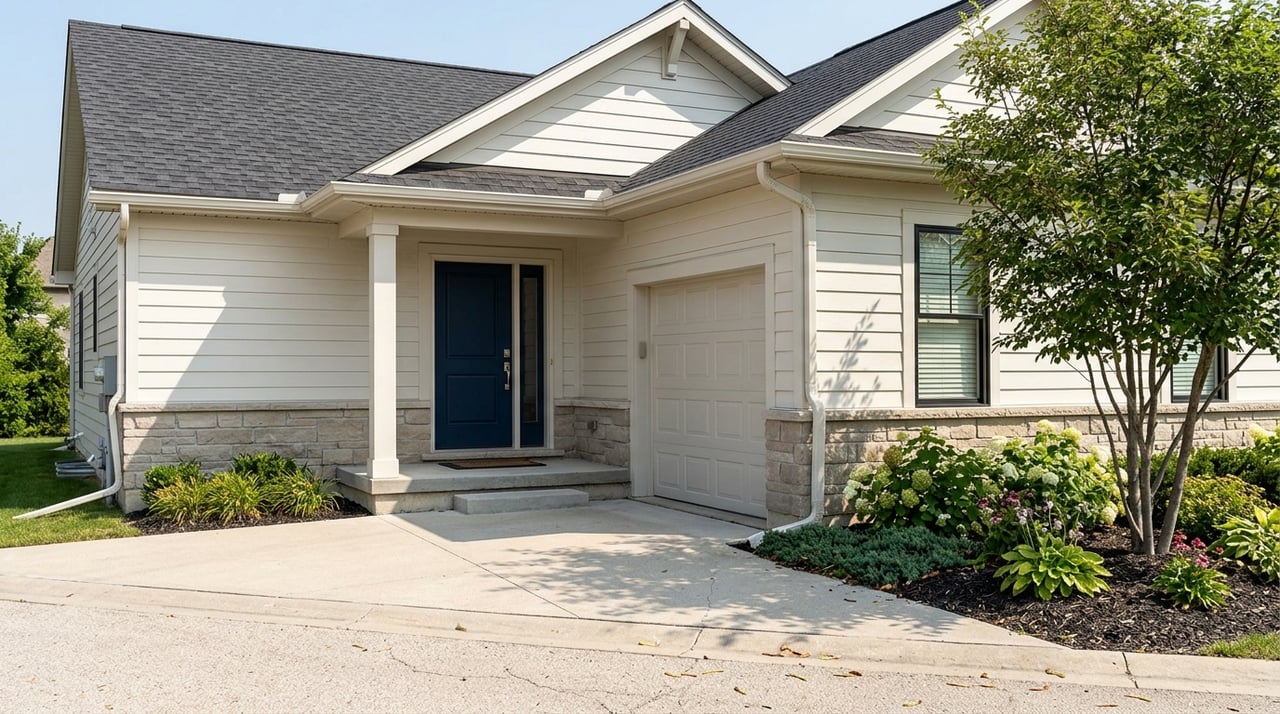
Downsizing In Mendota Heights: A Rightsizing Roadmap
April 2, 2026
If your house fits your life less than it used to, you are not alone. In Mendota Heights, many long-time homeowners are starting to ask a practical question: Do I really need all this space, upkeep, and stairs anymore? Rightsizing can help you simplify daily life, protect your equity, and stay close to the routines and community you already know. Let’s dive in.
Mendota Heights is a place where many owners have stayed for years, and that shapes the local housing conversation. The city’s housing stock is largely older and primarily made up of single-family detached homes, with much of the development built between the 1940s and 1980s and slower growth after 2000 as vacant land became limited, according to the city’s 2040 Comprehensive Plan.
That matters if you are thinking about downsizing. Older housing patterns often mean larger lots, more exterior maintenance, and floor plans that may not match how you want to live now.
The audience for rightsizing is also very real here. City materials note that Mendota Heights had an estimated 11,923 residents and 5,110 housing units in 2024, with about 66.4% of homes classified as single-family detached and an 80.3% owner-occupied rate, while about 22% of residents are age 60 or older, based on city budget documents and Census data summarized by the city here.
For many homeowners, downsizing is not really about square footage. It is about choosing a home that fits your current season of life better.
In Mendota Heights, that often means thinking about factors like:
The city’s 2040 Comprehensive Plan supports life-cycle housing so residents can remain in the community as their family size, income, or aging needs change. The plan also points to convenient shopping and accessible walking and biking trails, which are features many rightsizing buyers value when they want convenience without leaving the area.
Before you look at listings, define what you want your next chapter to feel like. That step can save you time and help you avoid trading one set of frustrations for another.
Ask yourself a few simple questions:
These questions matter because local low-maintenance inventory may not give you every feature on your wish list. When inventory is limited, clarity helps you act faster and with more confidence.
One of the biggest realities in a Mendota Heights downsizing move is that your next home may take time to find. The local housing stock is still dominated by detached homes, and attached or multifamily options make up a smaller share, according to the city’s planning documents.
At the county level, demand also appears strong for age-targeted and lower-maintenance housing. Dakota County CDA’s Senior Housing Program serves households with at least one member age 62 or older, includes 28 properties, and offers one- and two-bedroom waiting lists. County housing materials also note long wait lists, limited affordable availability, and more than 1,200 households on senior housing waiting lists.
The takeaway is simple: plan earlier than you think you need to. Rightsizing in this market is often about sequencing, patience, and flexibility.
Many homeowners begin with one goal: stay in Mendota Heights. That makes sense if you want to remain close to familiar streets, favorite routines, and the broader community you already know.
Still, if inventory is tight, widening your search to nearby Dakota County communities may open up more options. The right answer depends on your priorities, not just geography.
A wider search may help if you want:
Staying in Mendota Heights may make more sense if your top priorities are continuity, convenience, and remaining near the trails, parks, and amenities that already shape your daily life. The city’s planning vision clearly supports that idea of community continuity through life-cycle housing, as outlined in the 2040 Comprehensive Plan.
If you hope to move this spring or summer, the smartest first step may not be listing your home. It may be building a timeline that starts with preparation and your next-home strategy.
A practical roadmap often looks like this:
Decide what is essential versus negotiable. For example, you may need a primary bedroom on the main level but only want a second bedroom for guests.
The city reported an estimated median market value of $551,000 for a residential home for tax year 2025 payable 2026, up 2.69% from the prior year, according to city assessment data here. That does not set your home’s value, but it does show why many owners are exploring how to turn long-held equity into a home that requires less upkeep.
The longer you have lived in a home, the more emotional and physical work this step tends to involve. The National Association of Realtors notes that the typical seller has lived in their home for 10 years before selling, which helps explain why this stage often feels personal, not just logistical, according to this 2025 staging report.
Focus on the updates and presentation steps that will have the clearest payoff. This usually means cleaning, decluttering, and selective staging before anything more expensive.
In a market with limited rightsizing inventory, the timing of your sale and purchase matters. A coordinated strategy can help you avoid feeling rushed into the wrong next home.
Decluttering is often the hardest part of downsizing, especially if you have spent years building a life in one home. The good news is that it does not have to happen all at once.
AARP’s decluttering guide recommends short daily sessions, starting with one small defined area, and sorting items into keep, trash, and donate piles. That approach works well for rightsizing because it creates momentum without turning the process into an exhausting full-house project.
A few useful ways to start:
This process is not just about getting rid of things. It is about making space for a simpler, more usable home.
If you are selling a larger Mendota Heights home before moving to something smaller, presentation matters. According to NAR’s 2025 staging profile, 29% of agents said staging increased the dollar value offered by 1% to 10%, and 49% said staging reduced time on market.
The same report found that the rooms staged most often were:
If your time or budget is limited, start there. NAR also found that the most common improvement recommendations were decluttering, whole-home cleaning, and curb appeal improvement.
That is a helpful reminder for downsizing sellers: you do not always need a full remodel to make a strong impression. Often, the best return comes from showing buyers a home that feels clean, bright, and easy to picture themselves in.
Your move is not finished at closing. After you buy, make sure you review any property tax or occupancy-related items that could affect your costs.
Dakota County notes that homestead is a property tax reduction program for owner-occupants, and city materials point homeowners to county tax-relief resources, including senior citizen property tax deferment and other relief options, with homestead applications due by Dec. 31 for the next tax year, according to the city’s tax and assessment information here.
Because programs and eligibility can vary, it is worth reviewing those details early in your move process. A little planning here can help you avoid surprises in the first year after your move.
Rightsizing in Mendota Heights can be a smart move, but it works best when you start before you feel pressure. The local market, housing mix, and limited lower-maintenance options all point to the same conclusion: the homeowners who do this most smoothly are usually the ones who define their priorities early, declutter in stages, and create a sale-and-purchase plan that reflects real local conditions.
If you are starting to think about your next move, The Distad Team can help you map out timing, evaluate your options, and build a practical strategy for selling your current home and finding the right fit for what comes next.
Stay up to date on the latest real estate trends.


Ready to get started? Reach out today and take the first step toward achieving your real estate goals!