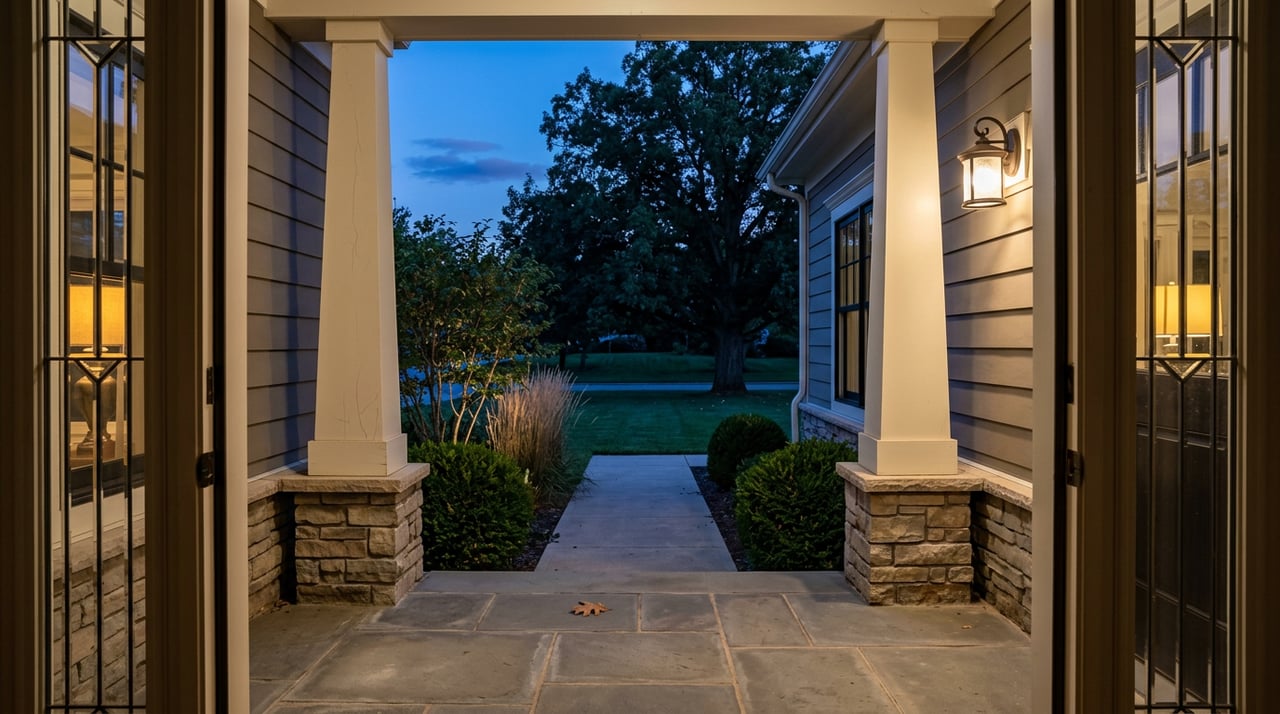
Thinking about building a home in Plymouth but not sure where to start? New construction can give you the floor plan, finishes, and energy efficiency you want, yet the process has more moving parts than a typical resale. In this guide, you’ll learn the steps, timelines, contract tips, inspections, budgeting, and the exact local contacts you need to move forward with confidence. Let’s dive in.
New-construction timeline at a glance
Building schedules vary with weather, permitting, and selections, but here is a simple frame to set expectations.
- Quick-move-in homes: Often ready to close in a few weeks to a few months depending on the build stage.
- Made-to-order homes: Plan for roughly 6 to 12 months from contract to completion. Custom homes can take longer. These expectations align with industry guidance from a 2025 new-construction process overview by a national builder resource. See the timing notes in the Jagoe Homes 2025 guide.
Step-by-step: From lot to closing
Follow these practical steps to keep your build on track.
1) Research neighborhoods and builders
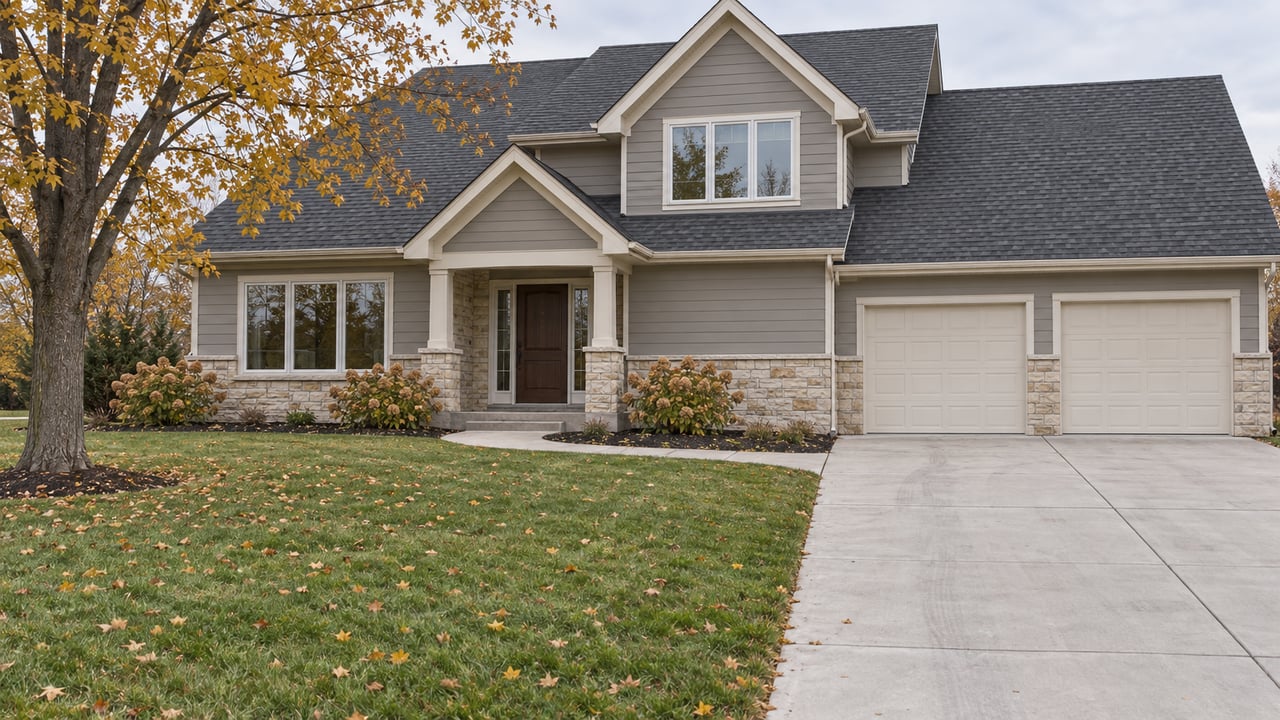
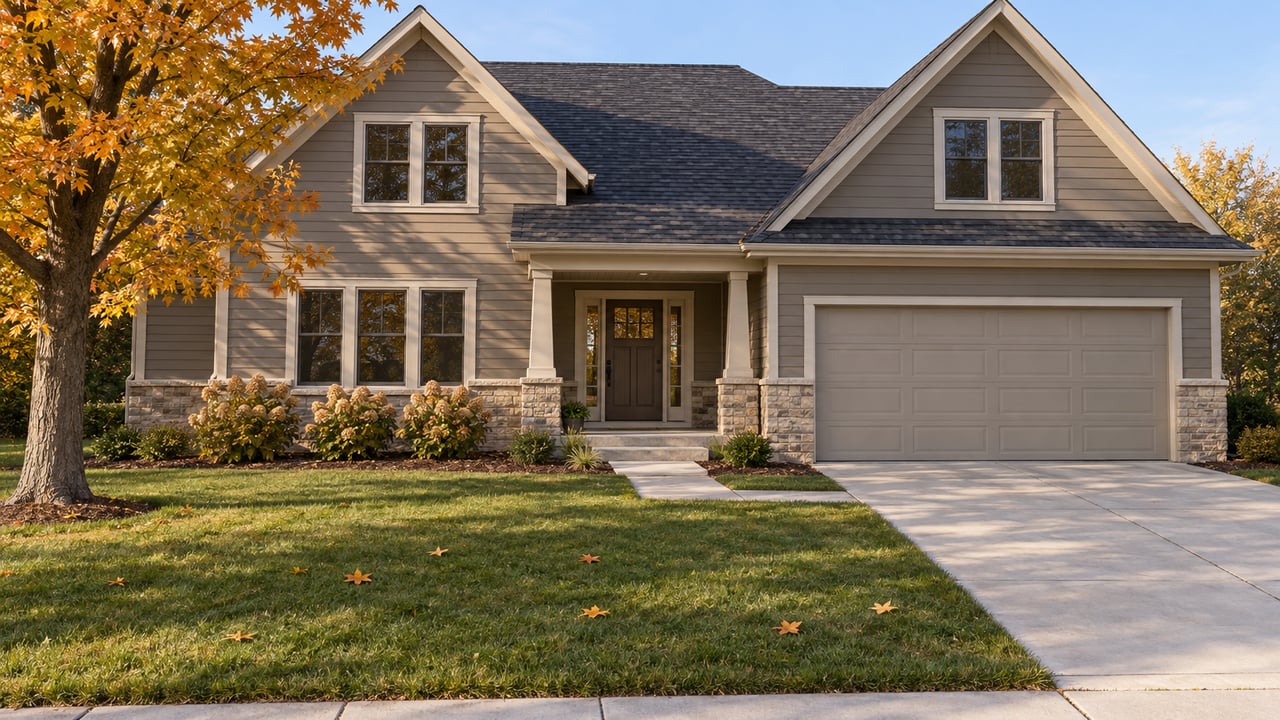
Start by exploring Plymouth communities and model options. Review lots, floor plans, and current quick-move-in inventory. You can browse local examples through Stonegate Builders’ Plymouth communities. Make a short list of plans that fit your lifestyle and note school boundaries, commute routes, parks, and everyday amenities that matter to you.
2) Reserve a lot and sign the purchase agreement
Once you select a lot and plan, you’ll put down a reservation or earnest deposit and sign the builder’s purchase agreement. Deposits and hold periods vary by builder. Ask for a copy of the agreement and the community’s design standards before you sign.
3) Make design and structural selections
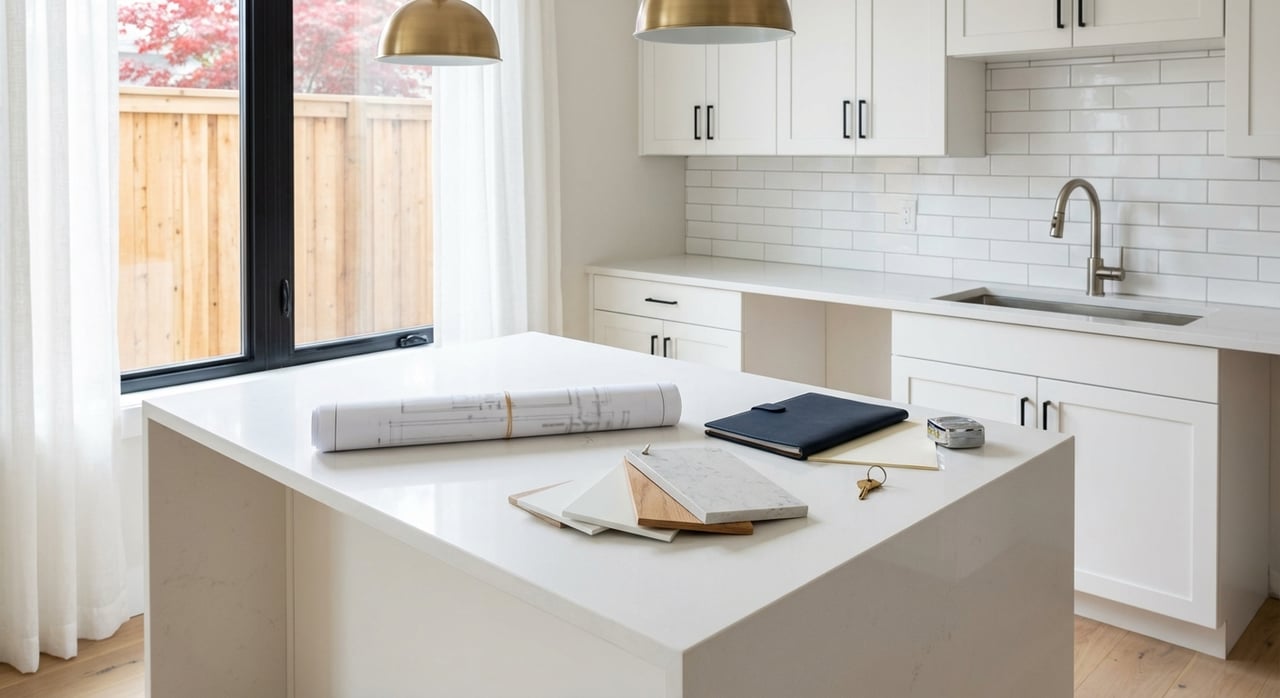
You will visit the builder’s design center to choose structural options and finishes. Deadlines, allowances, and upgrade pricing matter. Request an itemized price sheet that clearly separates base price, structural options, and design-center upgrades. Confirm when change orders stop or begin to carry extra fees.
4) Construction milestones and check-ins
Plan to walk the home at key points: foundation, pre-drywall, mechanical rough-ins, and near-final stage. Independent new-construction inspections can help you catch issues early. Learn what a phased inspection includes from this new-construction inspection overview.
5) Final walkthrough, closing, and warranty period
Do a thorough final walkthrough and create a punch list a week or two before closing. After closing, a typical new-home warranty includes workmanship and materials, systems, and longer structural coverage. The FTC’s guide to new-home warranties explains common coverage patterns and how to submit claims.
Picking your Plymouth lot
Lot choice affects day-to-day living and long-term resale. Use this checklist to compare options.
- Orientation and light: Decide if you want morning sun in the kitchen or evening light on the deck. Walk the lot at different times of day.
- Slope and drainage: Ask for the site grading plan and confirm where water flows. Steep grades can affect usable yard space and may require retaining walls.
- Setbacks and buffers: Note side and rear setbacks, conservation or wetland buffers, and tree preservation areas. These impact fencing, patios, and future landscaping.
- Future phases and roads: Review the plat and any future road connections. Proximity to new phases can mean more construction traffic for a time.
- Utilities and hookups: Confirm tap fees and sewer/water connection details and whether any special assessments apply.
For grading plans, permits, and inspections, use the City’s resource page and staff contacts. The City of Plymouth’s Permits & Inspections page includes plan review steps, online permitting information, and phone numbers. General building inspections line: 763-509-5430. Inspection scheduling: 763-509-5449.
For property tax history, parcel IDs, and any recorded assessments, search the Hennepin County property information portal.
Floor plans, finishes, and pricing
Builders price homes in three layers. Understanding each one keeps your budget under control.
- Base price: The starting price for a specific plan and elevation on a standard lot.
- Structural options: Examples include a 3-car garage, sunroom, finished lower level, or fireplace. These affect cost and schedule early.
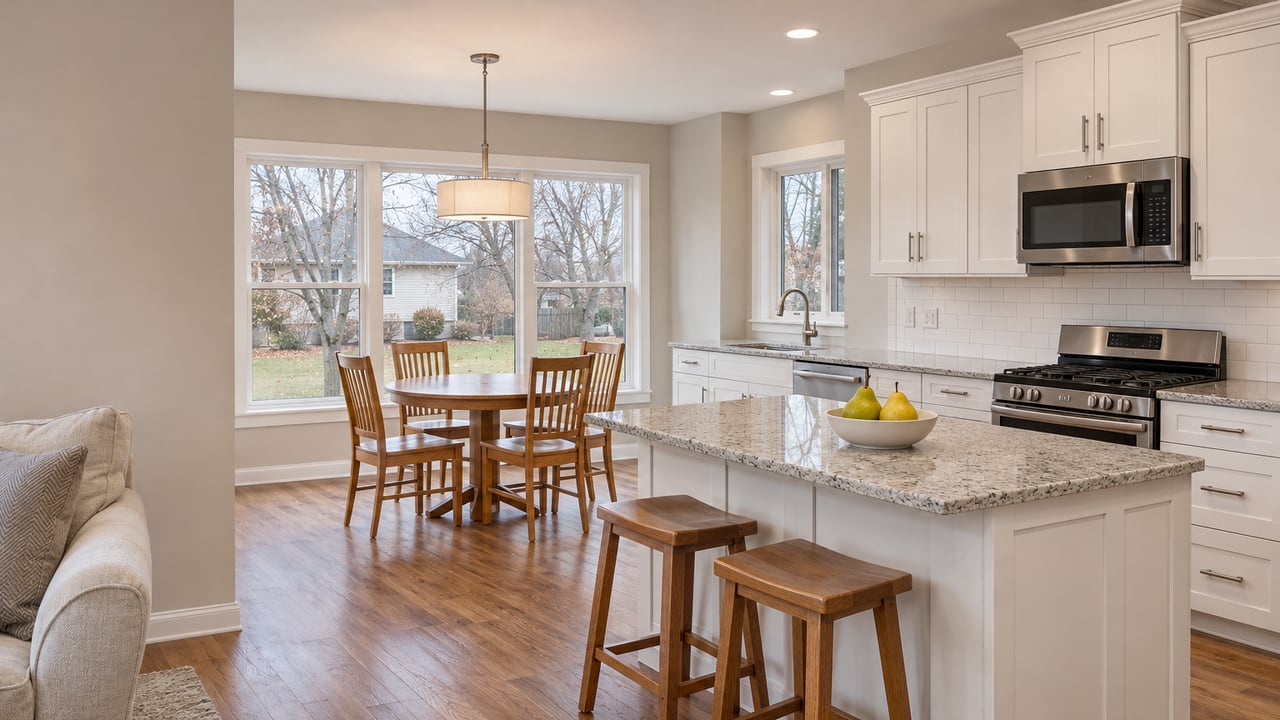
- Design-center upgrades: Finish choices like flooring, countertops, cabinets, lighting, trim, and appliance packages.
Ask the sales team for a detailed pricing workbook that itemizes every structural option and finish choice. Confirm which items are included and which are upgrades. Use a real model as a reference point. For example, browse model and community options on Stonegate Builders’ Plymouth page to see how plans and finishes vary.
Pro tip: Lock in your selections early. Late changes can be costly and may push your closing date.
Contracts and protections: what to watch
Builder contracts are not the same as standard resale forms. Go in with clear eyes and a strong advocate.
- Who the salesperson represents: The model-home representative typically works for the builder. If you want your own representation, register your buyer’s agent at the first visit so they can advocate for your interests. Learn why this matters from The Balance Money’s overview of model-home purchases.
- Common one-sided clauses: Delivery dates, liquidated damages, limited remedies for defects, broad builder change-order rights, mandatory arbitration, and requirements to use preferred lenders or title companies to receive incentives are all common. A municipal consumer handout highlights how builder agreements can limit buyer remedies and shift risk to the buyer. See the contract cautions summarized in this builder contract guidance example. Consider having your agent and a real estate attorney review unusual terms.
- Contingencies and financing: Not all builder contracts include the same appraisal, inspection, or loan contingencies you expect in resale. Confirm appraisal provisions and payment schedules for options. See contingency tips in the Jagoe Homes 2025 process guide.
Negotiation levers to ask about, depending on inventory and season:
- Design-center credits or included appliance packages
- Closing-cost help or interest-rate buydowns
- Extended rate locks or lot-premium adjustments
- Landscaping allowances or longer warranty coverage
Inspections and quality control
Even new homes benefit from third-party eyes. Consider these checkpoints.
- Pre-drywall inspection: Verify framing, plumbing, electrical, and HVAC before walls are closed. See what inspectors look for in this new-construction inspection overview.
- Final walkthrough and punch list: Walk room by room with blue tape and a checklist. Aim to do this a week or two before closing so repairs can be scheduled.
- 11-month warranty inspection: Before the workmanship warranty expires, hire an inspector to document items the builder should address.
Understand your warranty. The FTC’s guide to new-home warranties explains typical coverage patterns: many programs include around one year on workmanship and materials, two years on certain systems, and longer structural coverage. Keep a written record of all requests and repairs, follow the warranty process exactly, and keep photos of issues.
Budget checklist for Plymouth builds
Create a complete budget so there are no surprises at closing.
- Base price and any lot premium
- Earnest money or reservation deposit
- Structural options and design-center upgrades
- Change-order contingency for late adjustments
- Site work not in base price: grading, drainage, retaining walls, extra driveway, and landscaping
- Closing costs, prepaids, title and escrow fees, homeowner’s insurance, and lender fees
- Property taxes and any special assessments — verify parcel-level details in the Hennepin County property search
Local resources and contacts
- City of Plymouth — Permits & Inspections: Review permit requirements, plan review, and inspection scheduling on the Permits & Inspections page. General building inspections line: 763-509-5430. Inspection scheduling: 763-509-5449.
- Hennepin County — Property information search: Check parcel IDs, tax history, and recorded assessments in the county portal.
- Builder examples — Plymouth: Explore plans and communities with Stonegate Builders in Plymouth.
How a buyer’s agent helps you
A model-home salesperson looks out for the builder. Your agent looks out for you. Here is what strong buyer representation includes during a Plymouth build:
- Contract review and negotiation: Spot one-sided clauses, negotiate design credits, closing help, rate buydowns, or other incentives.
- Lot selection guidance: Compare lots across phases for privacy, yard usability, and long-term resale.
- Inspection coordination: Schedule pre-drywall, final, and 11-month inspections, then communicate findings to the builder.
- Punch list enforcement: Attend walkthroughs, help track repairs, and keep closing on schedule.
If you plan to bring representation, register your agent on your first visit so the cooperating commission is recognized. See why registration matters in The Balance Money’s model-home guide.
Ready to map out your Plymouth new build with a team that understands both development and day-to-day buyer needs? Schedule a Consultation with The Distad Team to get a clear plan, early-access strategies, and steady guidance from contract to keys.
FAQs
Do I need my own agent when buying from a builder in Plymouth?
- Yes. The on-site salesperson represents the builder. Register your buyer’s agent at your first visit so they can advocate for you and coordinate negotiations and inspections. See an overview in The Balance Money’s model-home guide.
How long does a new build usually take in Plymouth?
- Quick-move-in homes can close in weeks. Made-to-order homes often take 6 to 12 months, with custom builds taking longer. See timing guidance in the Jagoe Homes 2025 process guide.
Should I hire an independent inspector for new construction?
- Yes. At minimum, schedule a pre-drywall inspection and a final inspection. An 11-month warranty inspection helps capture items before the workmanship warranty ends. Learn what to expect from this new-construction inspection overview.
What warranties do new homes typically include?
- Many new-home programs include around one year for workmanship and materials, two years for certain systems, and longer structural coverage. Review the FTC’s guide to new-home warranties and follow the claim process in writing.
How do I check property taxes or special assessments on a Plymouth lot?
What can I negotiate with a builder?
- Depending on market conditions, you can ask for design-center credits, closing-cost help, interest-rate buydowns, extended rate locks, landscaping allowances, or warranty extensions. Your agent will tailor the strategy to the builder’s inventory and timing.